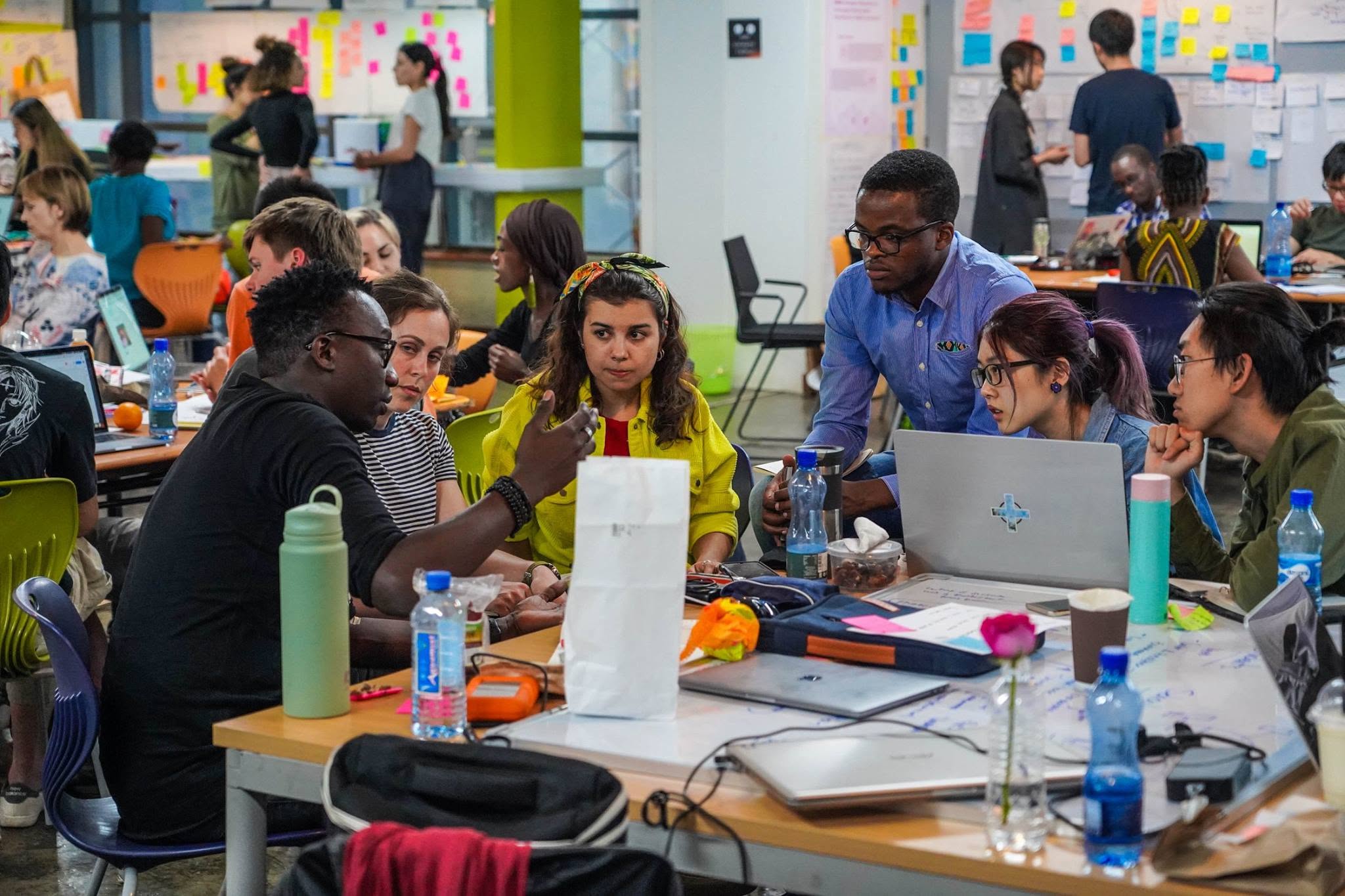
Hi, my name is Tosh Juma.

I help organisations make sense of the hard problems shaping Africa's future.

For fifteen years, I've worked alongside communities, institutions and leaders across Africa, exploring questions that don't have straightforward answers. From early childhood development and financial inclusion to public innovation, my role has been to make sense of complexity before action begins.

Research • Strategy • Design

Portrait of Tosh Juma
My Practice

How I work.

Most projects look different on the surface, but the work behind them follows a similar rhythm: understanding the challenge,
making sense of the evidence, finding the opportunity, then testing ideas before larger decisions are made.

Qualitative research

Qualitative research

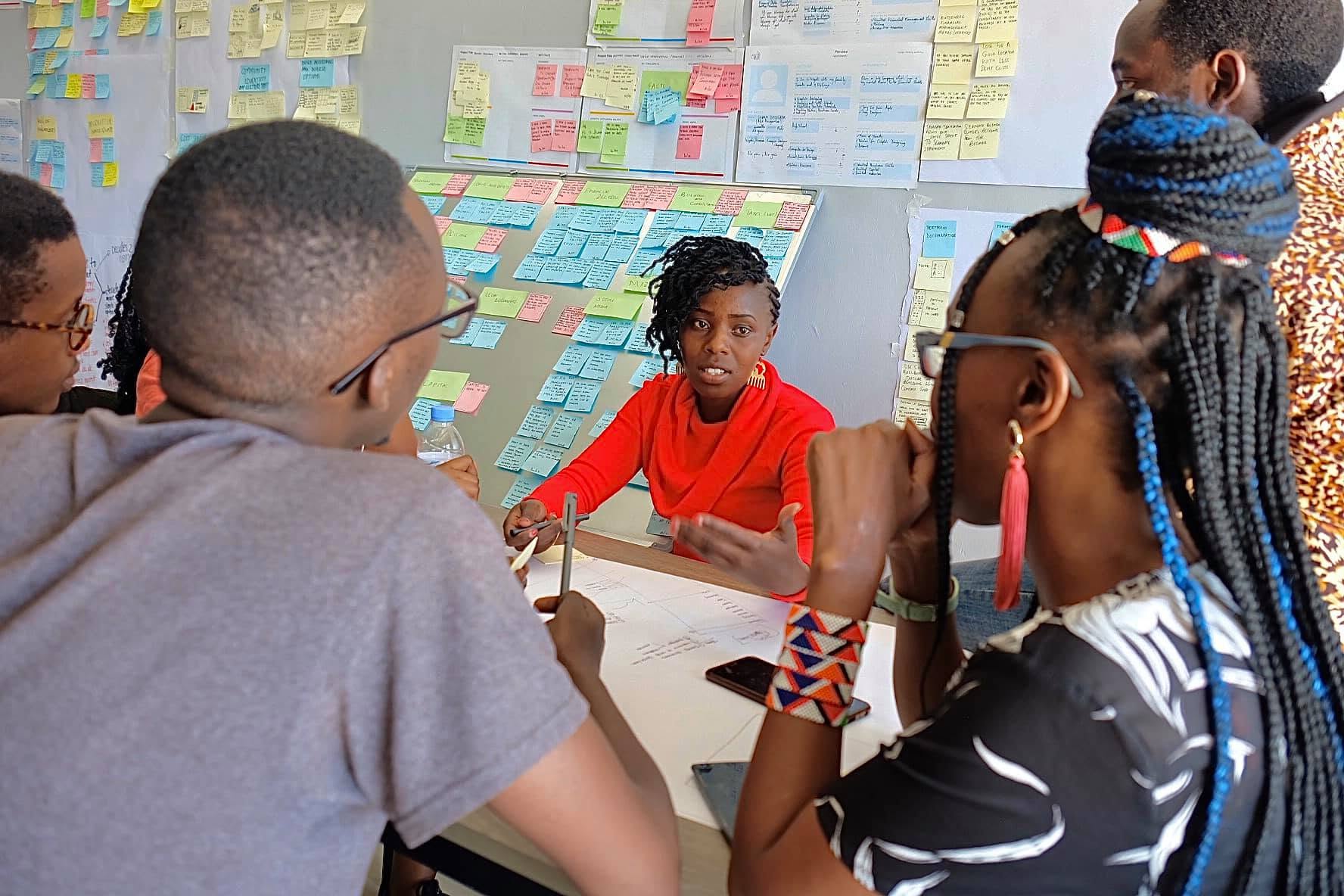
Most of my work begins by understanding how people experience the challenges institutions are trying to solve. Depending on the context, this involves qualitative research with communities, practitioners and decision-makers.

Evidence synthesis

Evidence synthesis

Research rarely produces one clear answer. I bring together different forms of evidence, identify patterns and surface the insights that help organisations make sense of complexity before deciding what comes next.

Partnerships & alignment

Partnerships & alignment

Many of the challenges I work on involve organisations with different priorities and perspectives. I help build the shared understanding needed to strengthen partnerships and support collective decision-making.

Strategy development

Strategy development

Good strategy is rarely developed in a single step. I help organisations frame opportunities, explore different directions and test ideas so that strategic decisions are informed by evidence rather than assumptions.

Guiding Principles

How I work.

Tosh Juma works at the intersection of research, strategy and public innovation, helping organisations better understand complex challenges before deciding what to build, fund or change.

Over the years, these four principles have consistently shaped how I approach my work.

Better understanding
before better solutions.

Most organisations are under pressure to move quickly. My work begins by slowing down just enough to understand what people are experiencing before deciding what to build, fund or change.

Context is part
of the solution.

Understanding context isn't a phase of innovation. It shapes every decision that follows, from framing the problem to testing ideas and implementing change.

Decisions improve
when they're shared.

The strongest strategies rarely come from one perspective. They emerge when different forms of knowledge are brought together around a shared understanding of the challenge.

Ideas deserve
to be tested.

Rather than assuming the first answer is right, I prefer exploring new directions early, learning quickly and adapting before larger commitments are made.

Select Projects

Hard problems.

These are some of the questions I've had the privilege of exploring alongside communities, organisations and governments across Africa.
While each context is different, the work always begins by understanding people before searching for solutions.
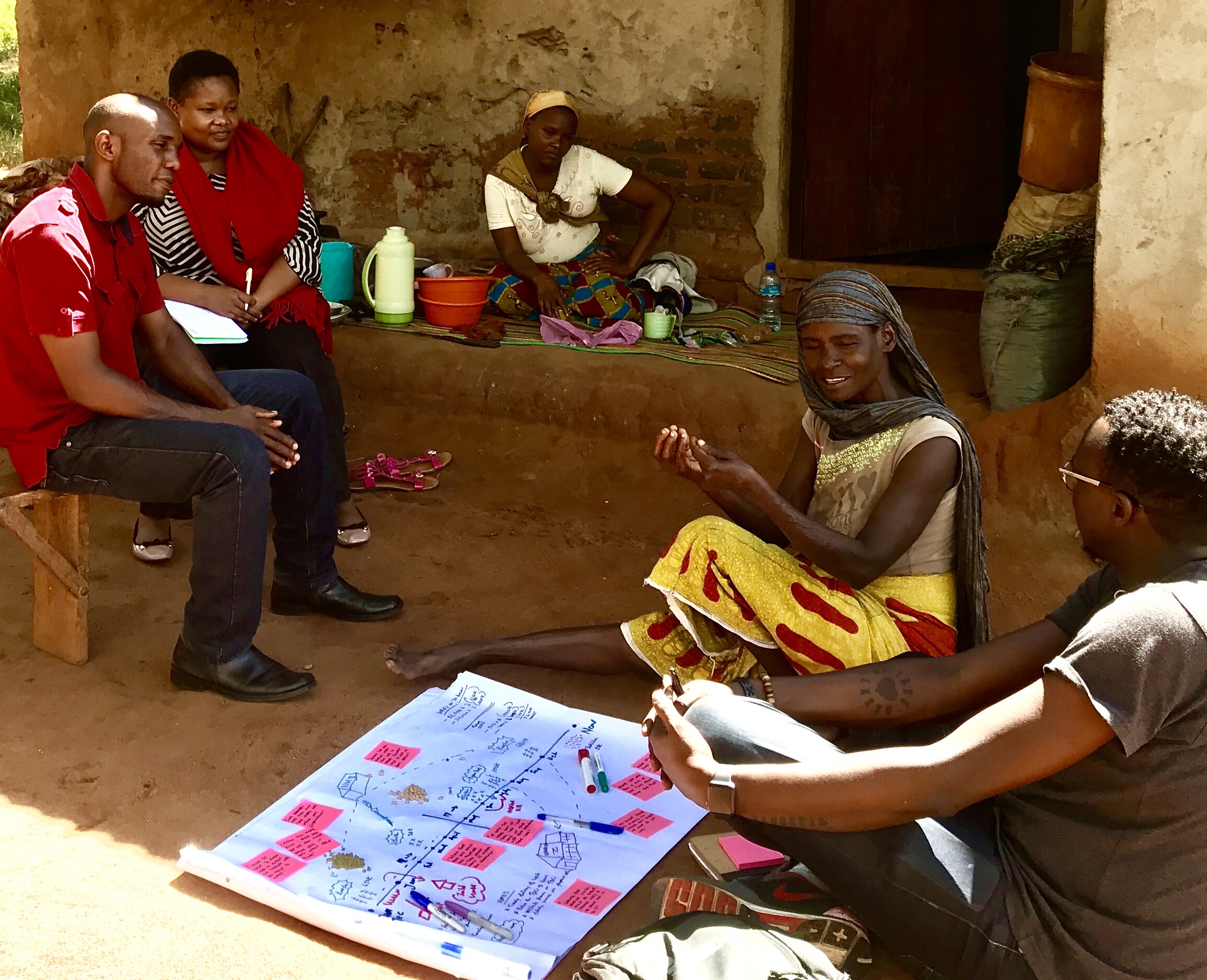
LIMA National Credit Programme
Financial Inclusion · Zambia

How can financial services be designed around the realities of smallholder farming households?

Redesigning Zambia's national agricultural credit programme to better support smallholder farmers by understanding how financial decisions are shaped by everyday farming realities.

Read field notes  →
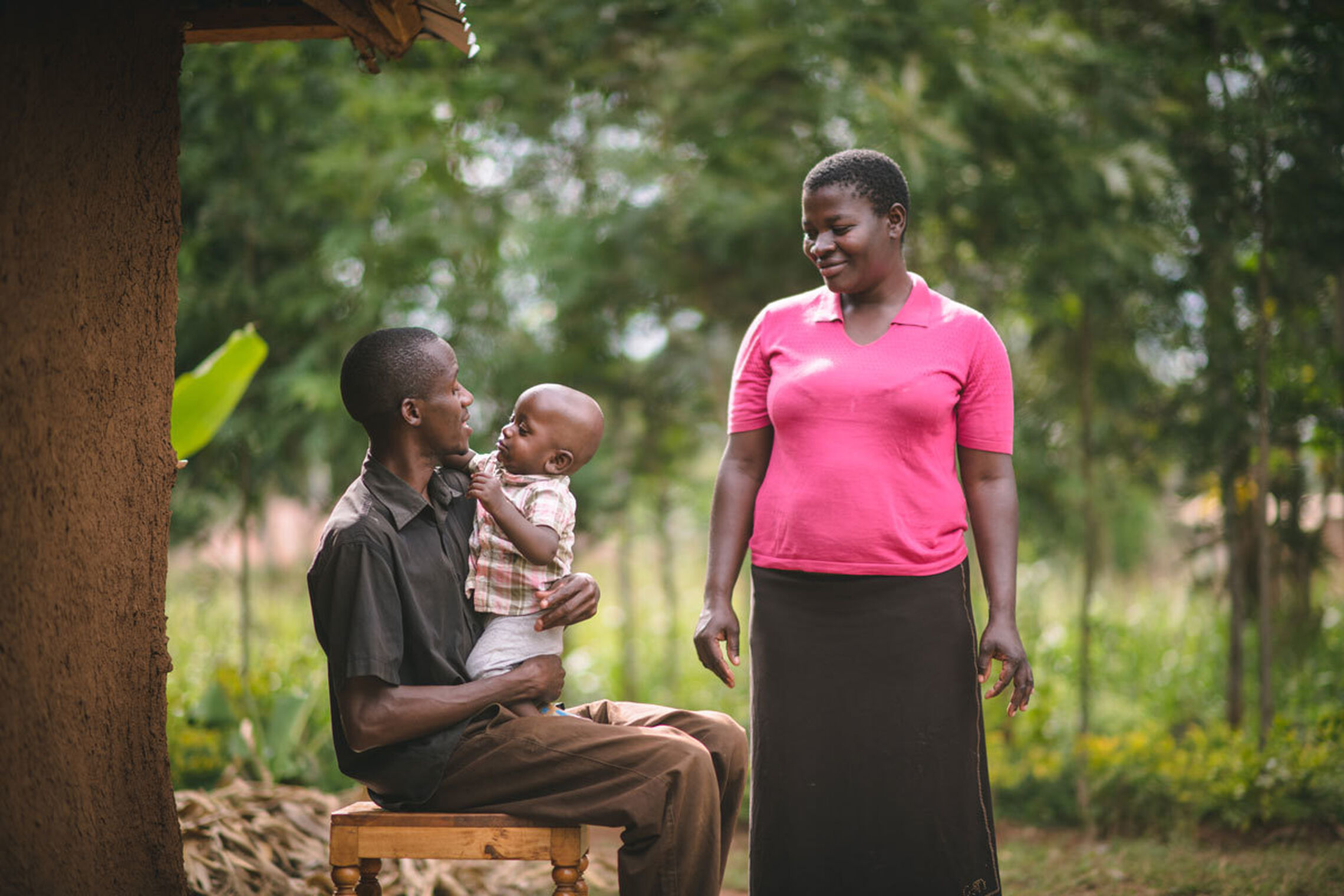
Nyathi en Mwandu
Early Childhood Development · Kenya

How do we create the conditions for fathers to become active caregivers in a child's first 1,000 days?

Bringing together county governments, technical partners and communities to strengthen nurturing care through a shared behaviour change strategy for families with young children.

Read field notes  →
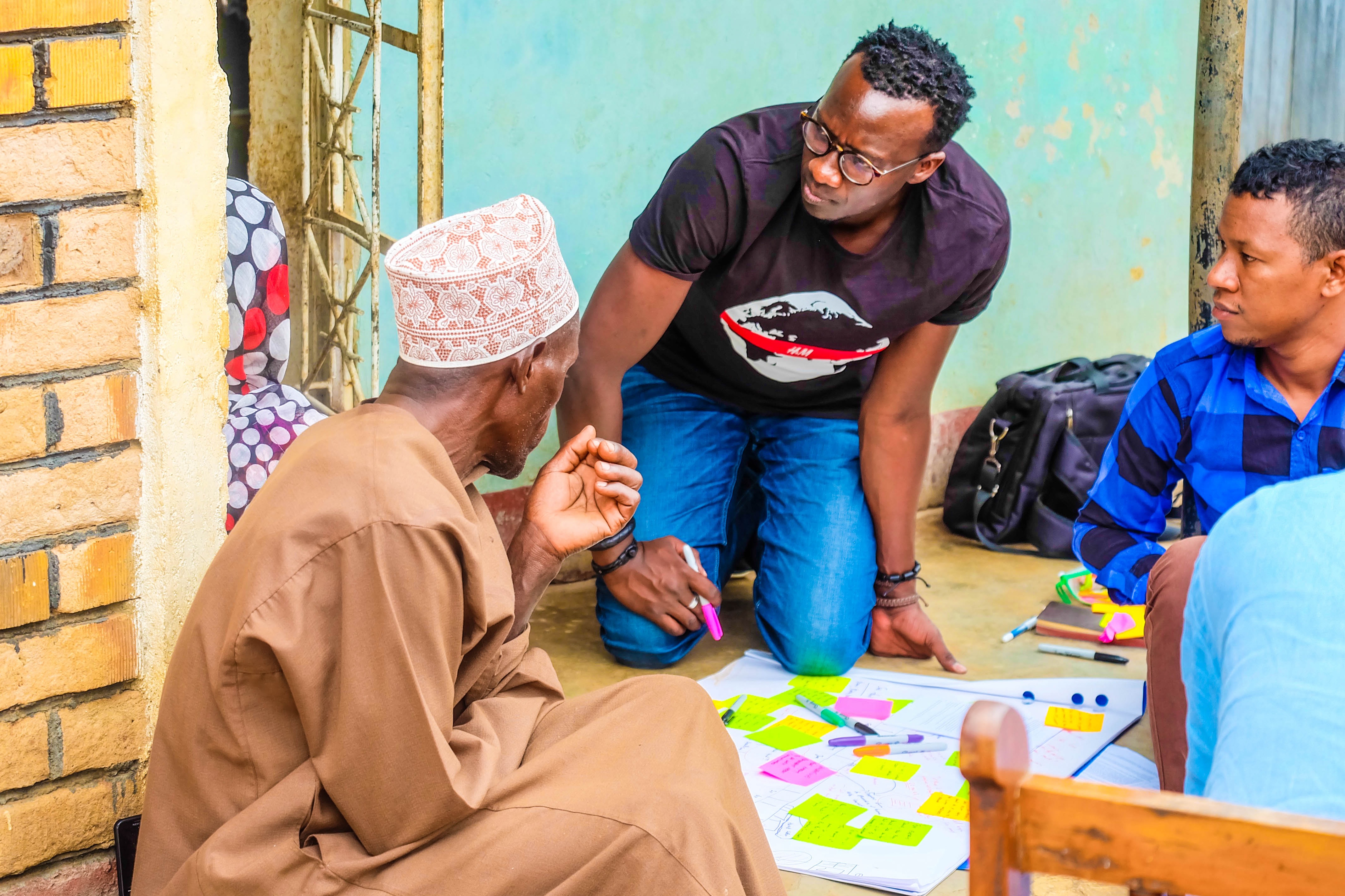
Talibé Education Alternatives
Education · Senegal

How can education better support children living in vulnerable circumstances?

Working with communities, religious leaders and educators in Dakar to explore alternative education pathways for Talibé children living and learning outside the formal education system.

Read field notes  →
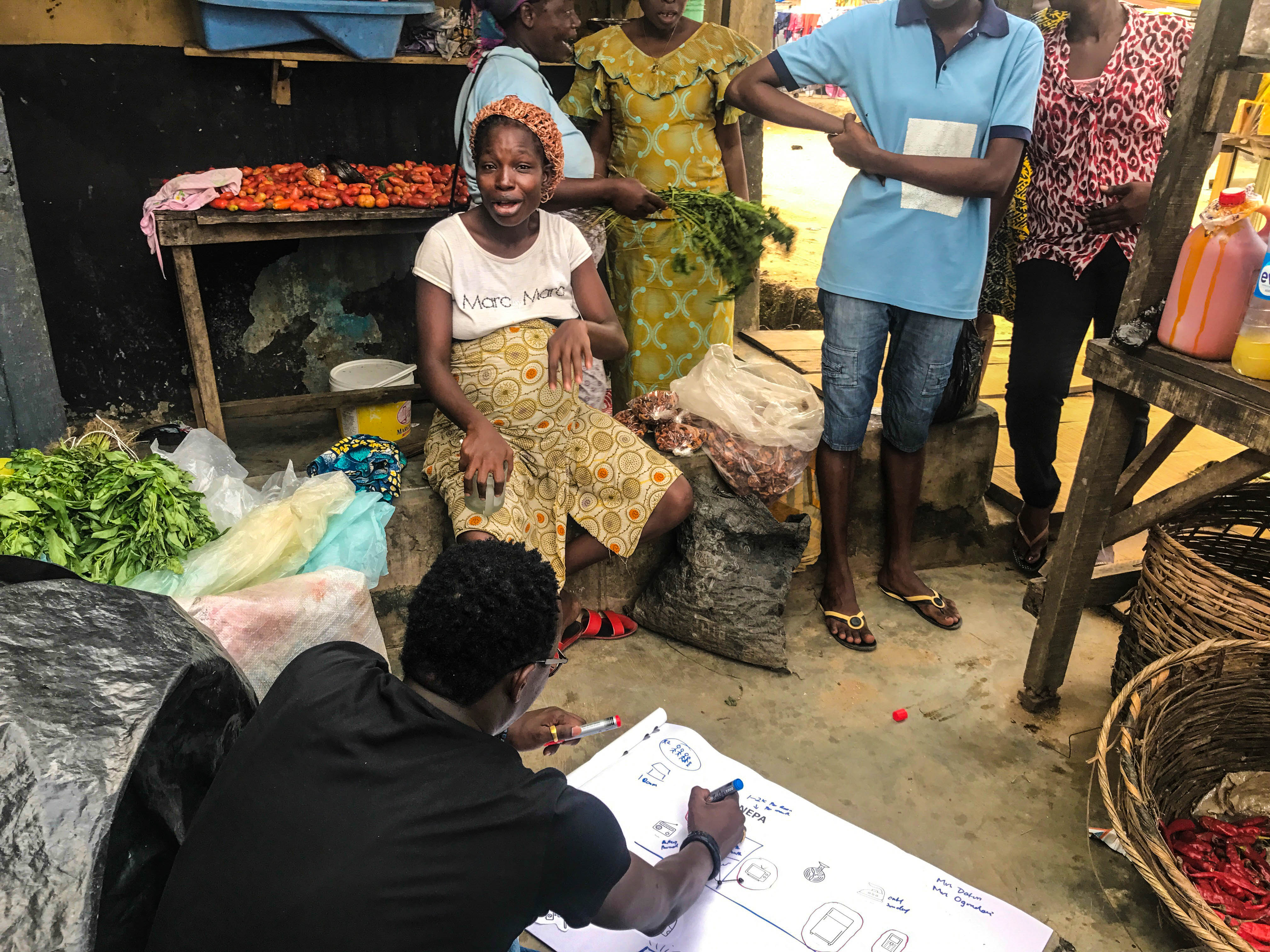
Sanitation Nigeria
Sanitation Technology · Nigeria

How can sanitation technologies work within the realities of informal urban communities?

Working with landlords, tenants and sanitation actors in Nigeria to understand how toilet adoption is shaped by land ownership, construction decisions and existing waste collection systems.

Field Notes Soon
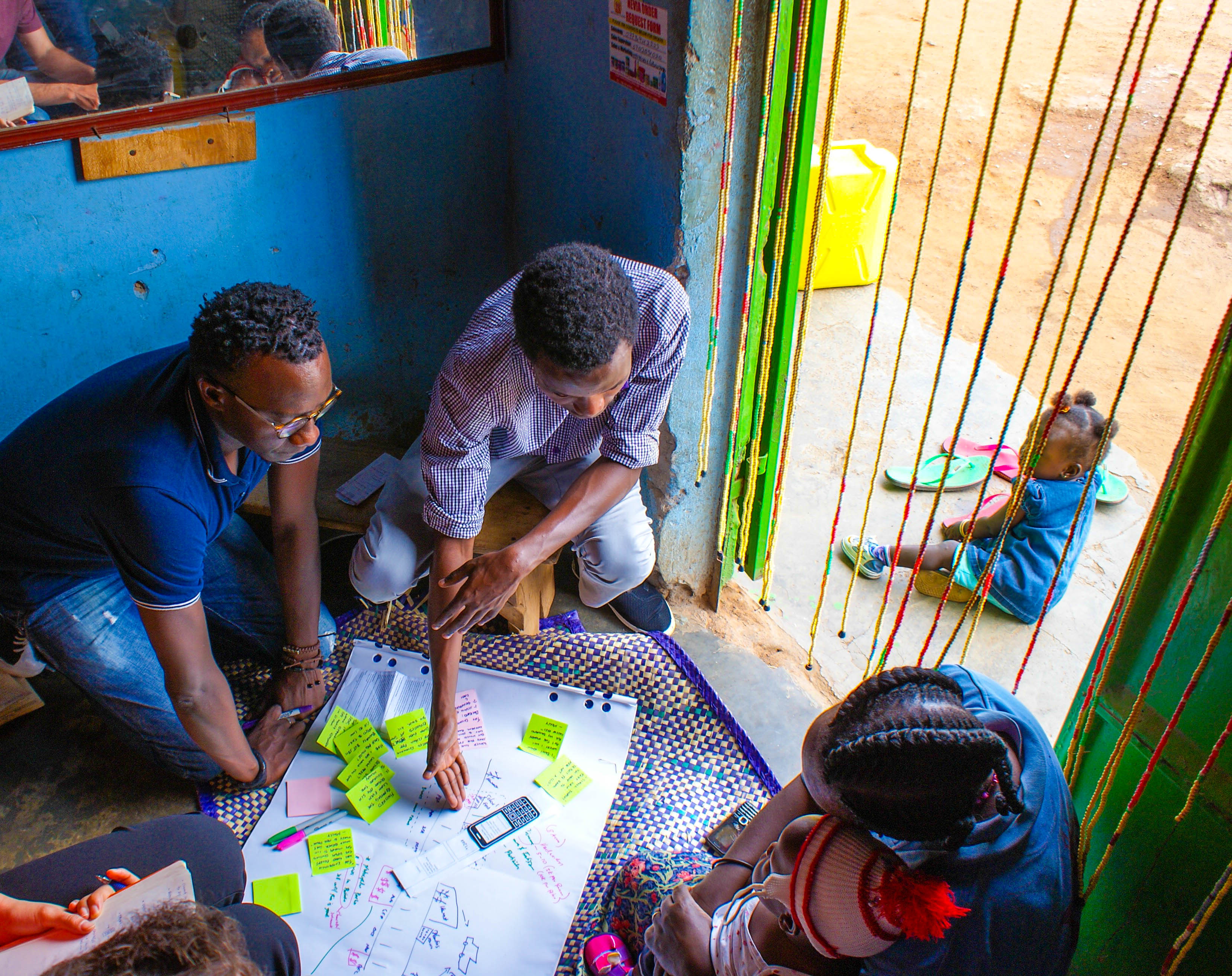
Digital Finance Uganda
Education Financing · Uganda

How can school fee financing better reflect the realities of how rural families earn, save and pay?

Redesigning ReadyPay's school fee loan in Uganda by understanding how farming households manage education costs, repayment pressure and seasonal income across the school year.

Field Notes Soon
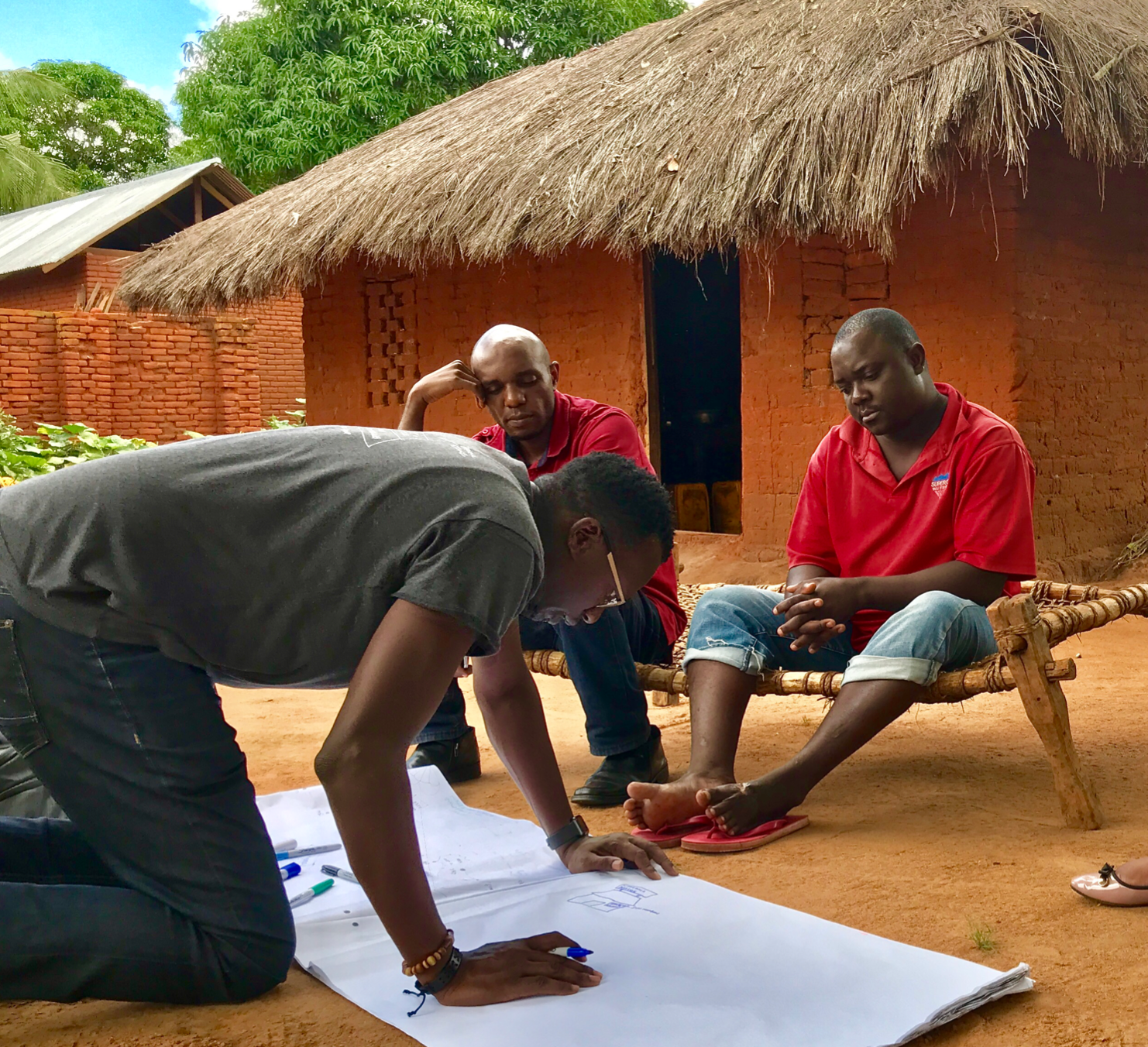
Digital Finance Tanzania
Digital Finance · Tanzania

How can digital financial services become useful for smallholder farmers beyond receiving payments?

Working with NMB and cashew farming communities in Tanzania to strengthen farmer engagement by connecting digital finance to seasonal cash flow and agricultural needs.

Field Notes Soon
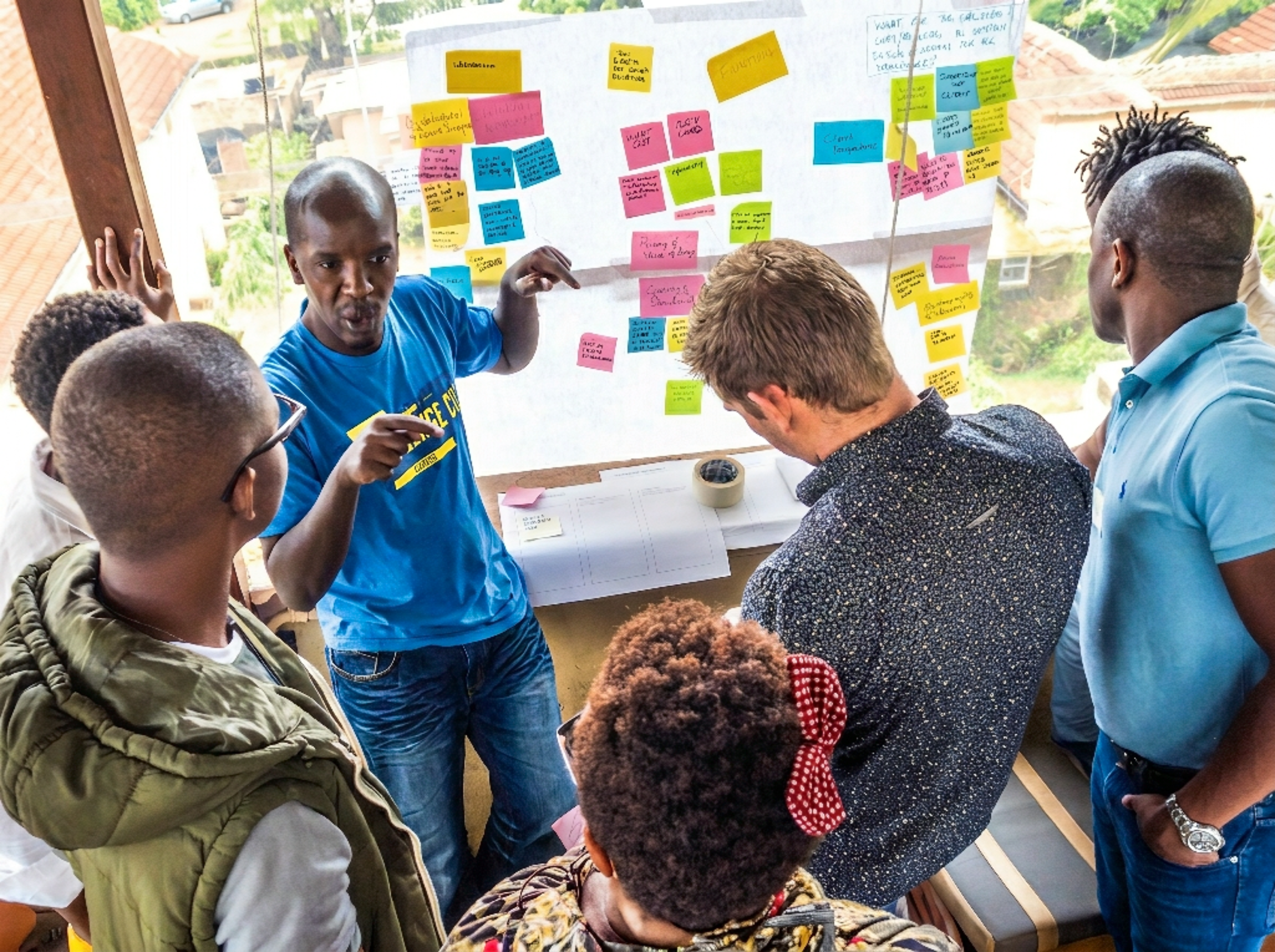
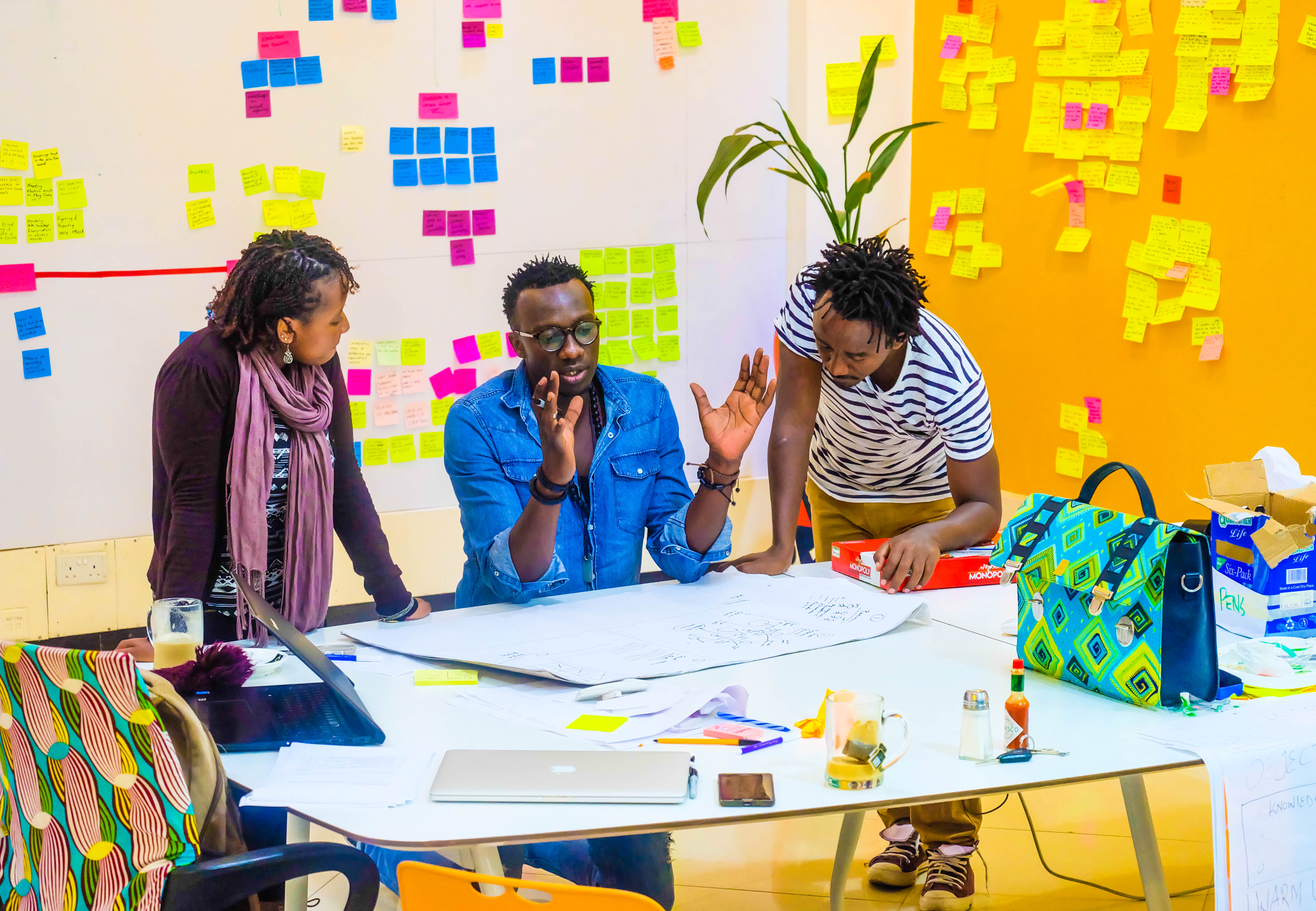
Visual Diary

In the field & around the table.

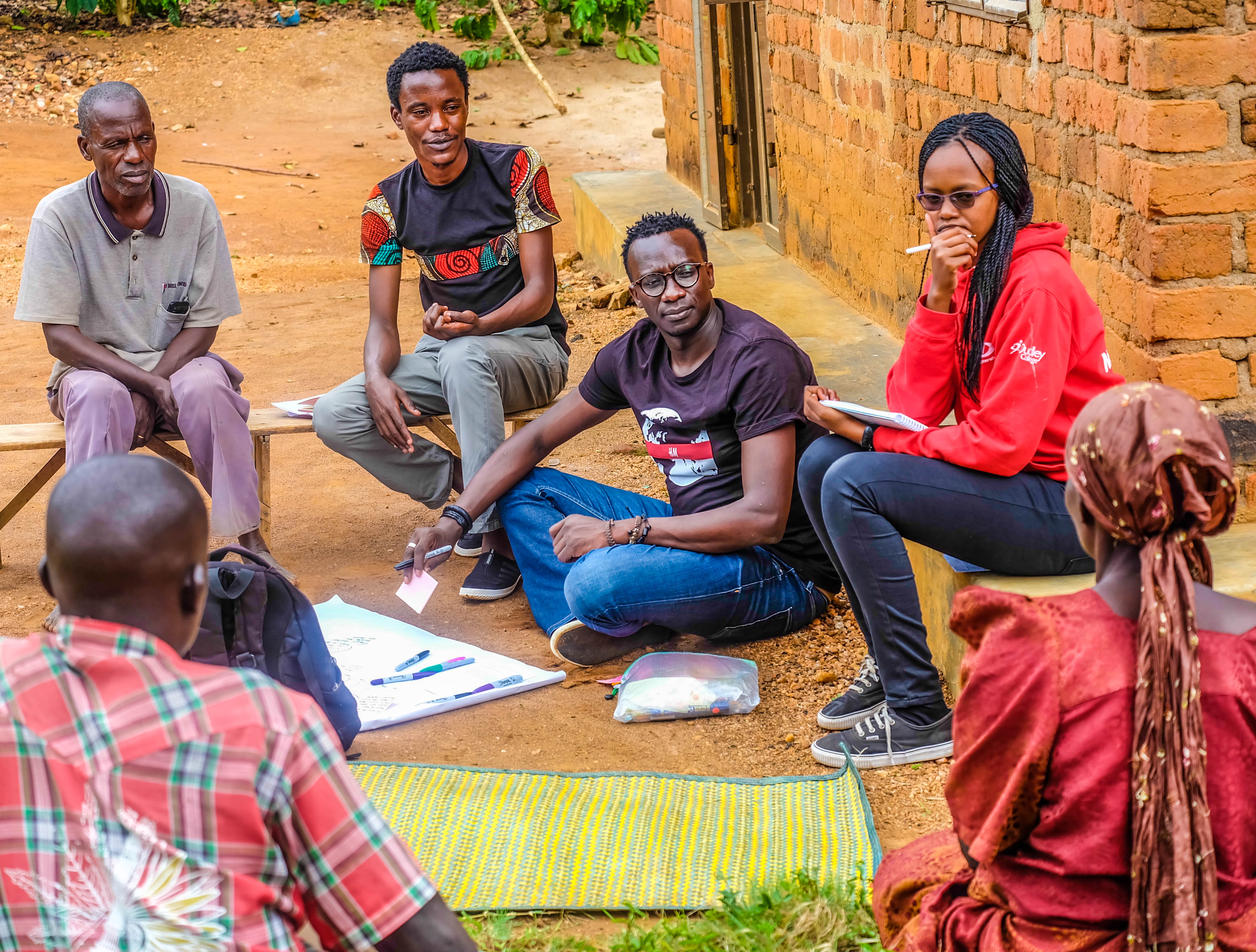
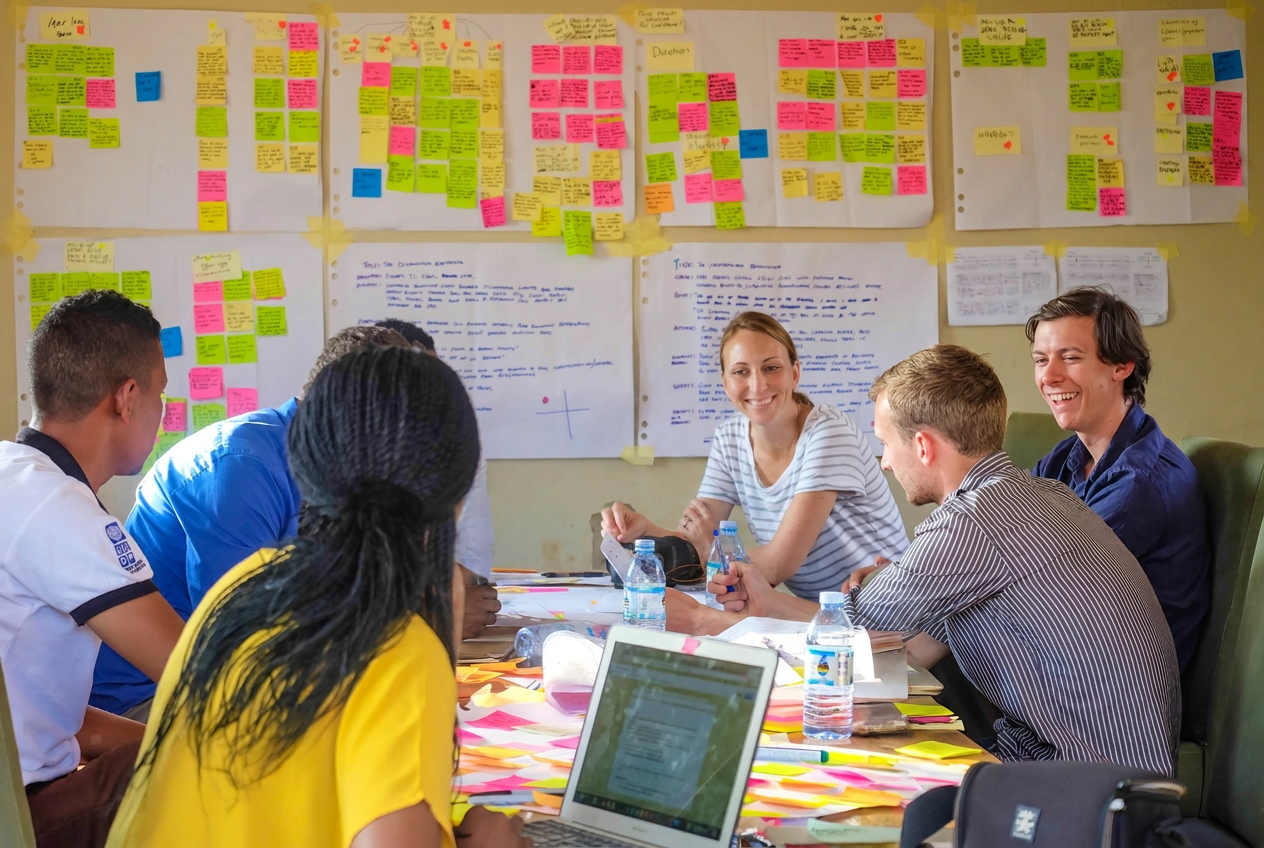
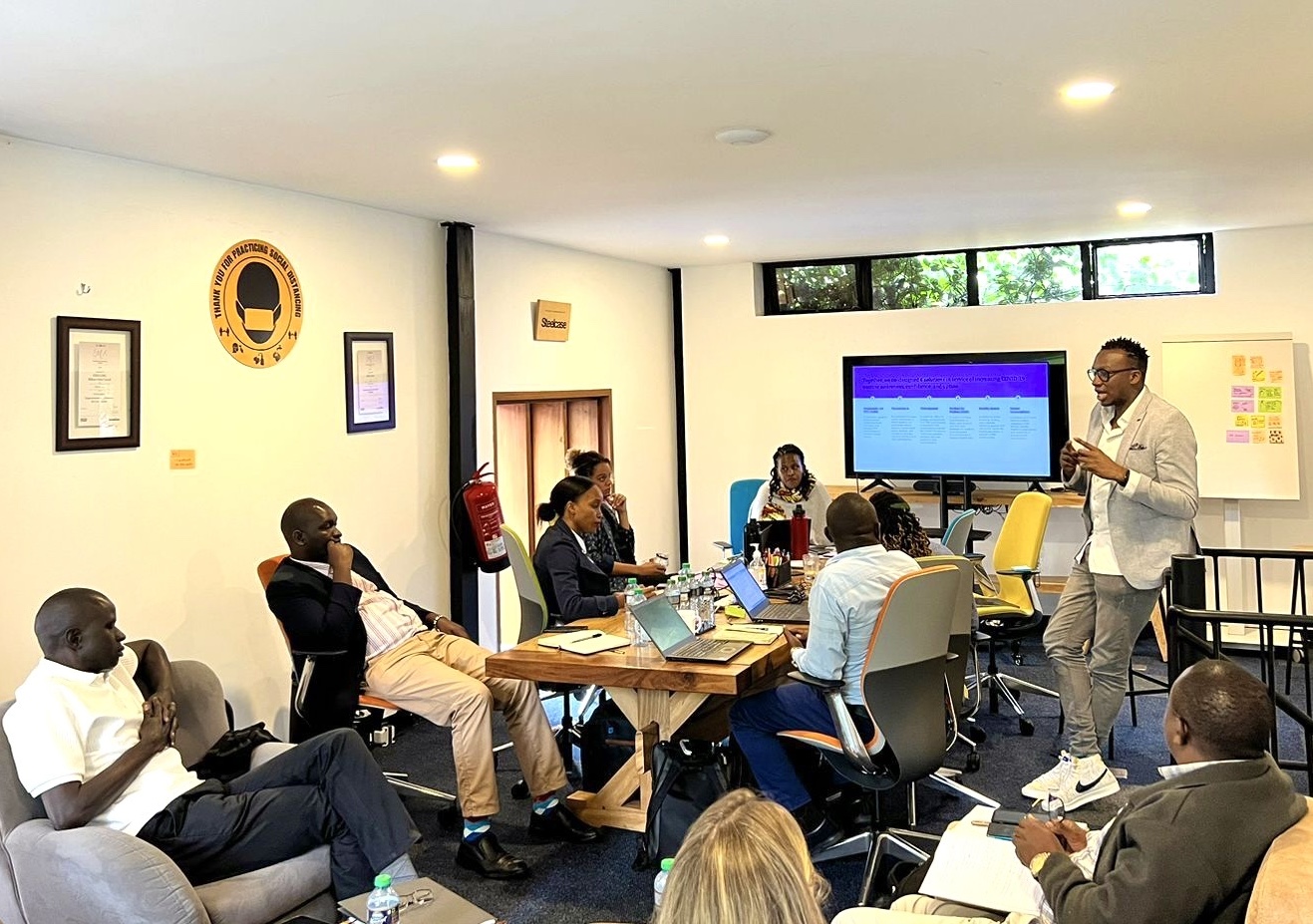
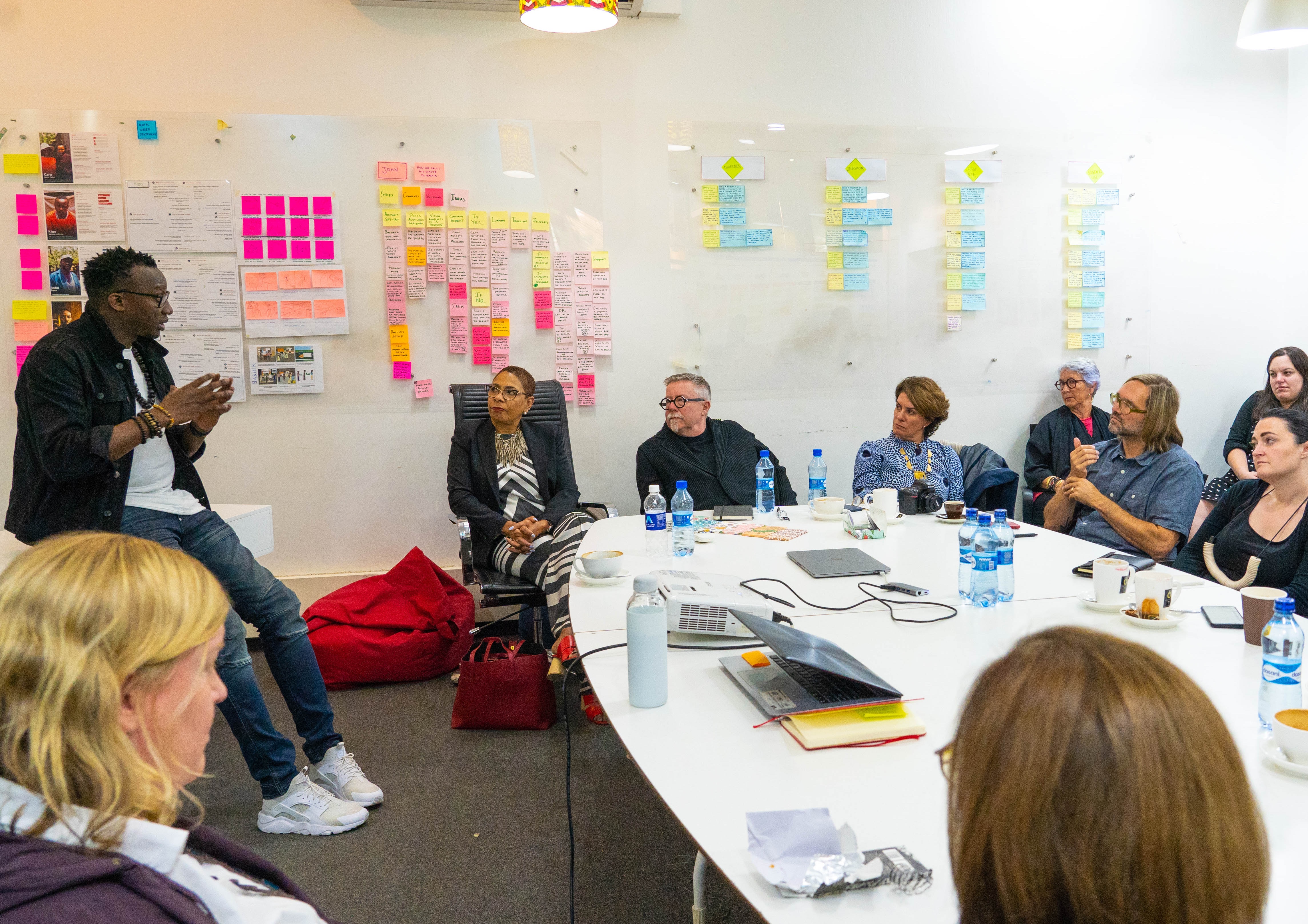
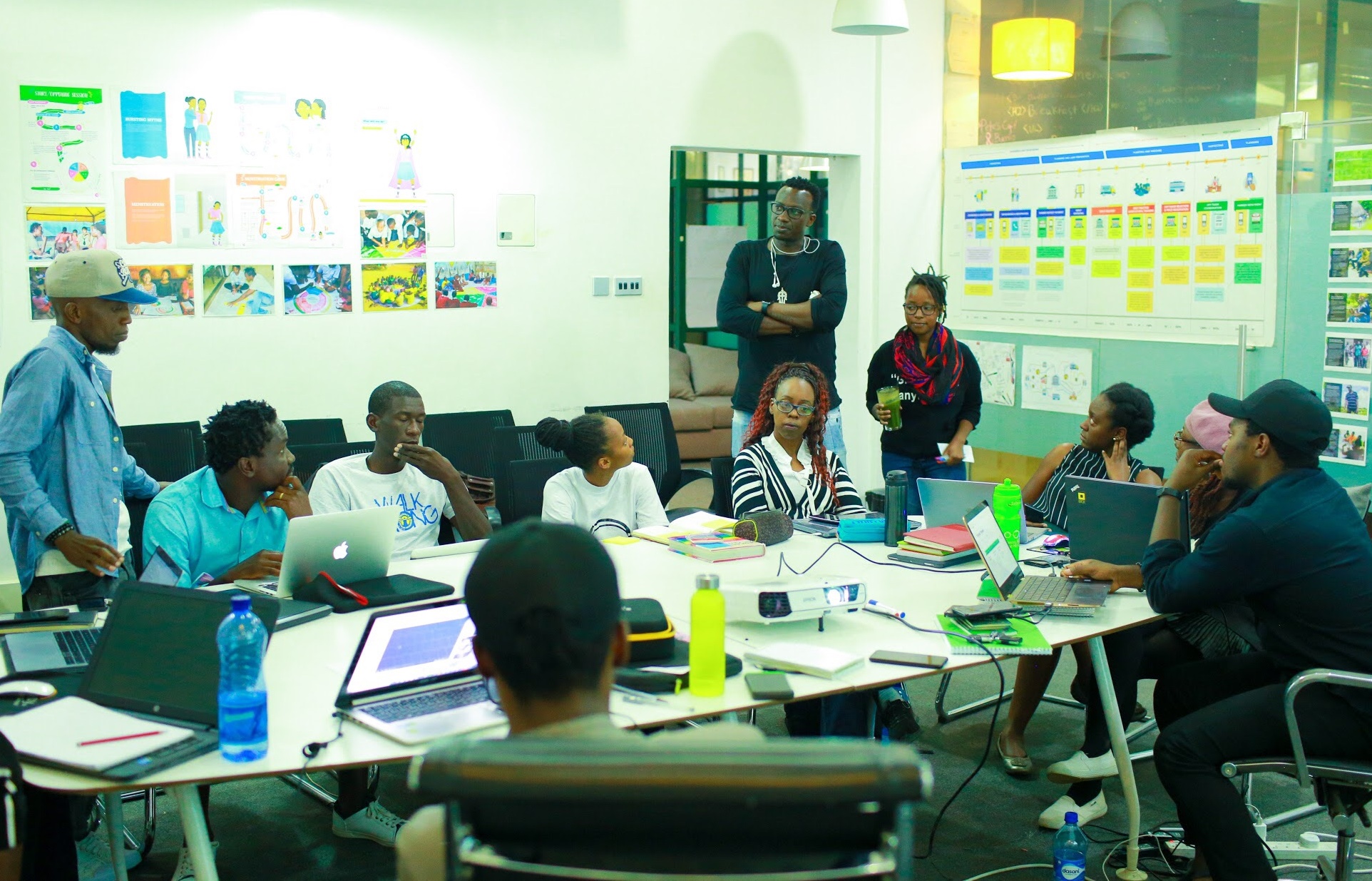
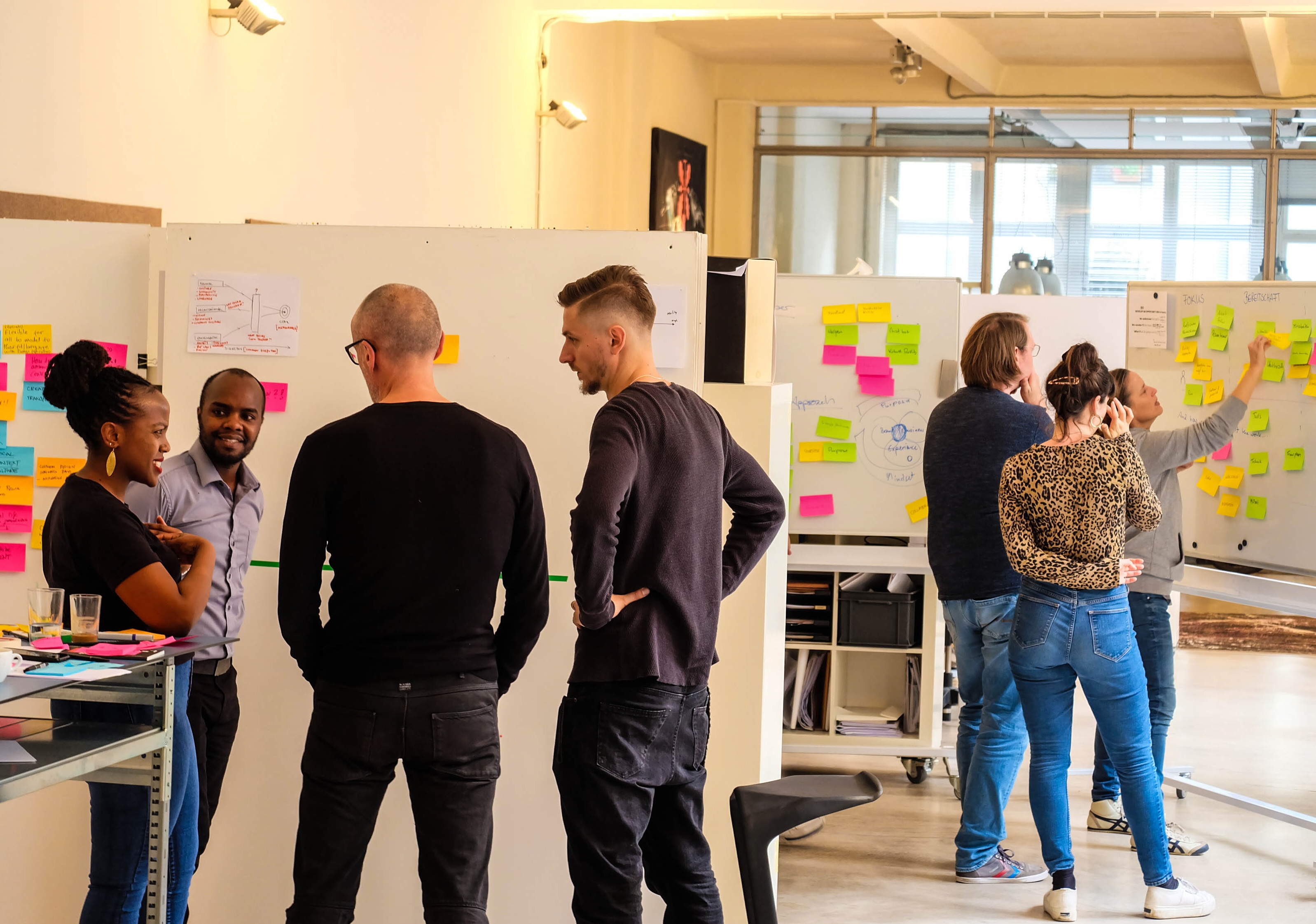
Much of my work happens around a table, whether in a community hall, a ministry, a university or a workshop.
These photographs capture some of the moments that have shaped my work across the region.

Field photograph

Kenya • Senegal • Rwanda • Nigeria • Tanzania • Zambia • Côte d'Ivoire • Uganda • Ethiopia

Project Spotlight
One hard problem became personal:

What would it take to build solutions that truly reflect Africa’s realities?

Africa’s diversity is one of its greatest strengths, but it also makes innovation uniquely challenging. Solutions that work in one community, city or country cannot simply be transferred to another. Building interventions that reflect local realities begins with a deep understanding of the contexts they are designed for.

In 2017, I founded the Nairobi Design Institute as a prototype to explore what those capabilities might look like in practice. The 12-month program brought together research, strategy and experimentation around a single belief:

The people closest to a challenge should shape every stage of how solutions are understood, developed and improved.

Three principles we set out to explore

Better understanding before better solutions.

How do we develop practitioners who know how to understand people’s realities and frame the right problem before searching for solutions?

Qualitative researchSystems thinkingProblem framing

Innovation with communities, not for communities.

How do we ensure the voices of communities remain central throughout the innovation journey, from early research through to testing and implementation?

Co-creationPrototypingIteration

Ideas need a path to impact.

How do we prepare practitioners to turn promising ideas into interventions that organisations, markets and communities can adopt, sustain and grow?

StrategyGo-to-marketPartnership building
Use arrows to scroll through NDI's prototype journey
ASKING THE QUESTION · 2014

Framing the right problem

The journey began with a workshop I convened for designers and industry leaders. The goal wasn't to design a school, but to understand whether the need for a different approach to innovation was one the industry also recognised.

FIRST EXPERIMENT · 2016

Start with one project, not one school.

Instead of launching an institution, we began with one client project and two designers. The experiment asked whether real projects, close mentorship and reflection could become a stronger way of learning than lectures alone.

TESTING THE MODEL · 2017

Nine fellows. One experiment.

The first cohort welcomed nine fellows to test the model together. Shared projects, critique and reflection helped us understand how learning changed when innovation became a collaborative rather than an individual practice.

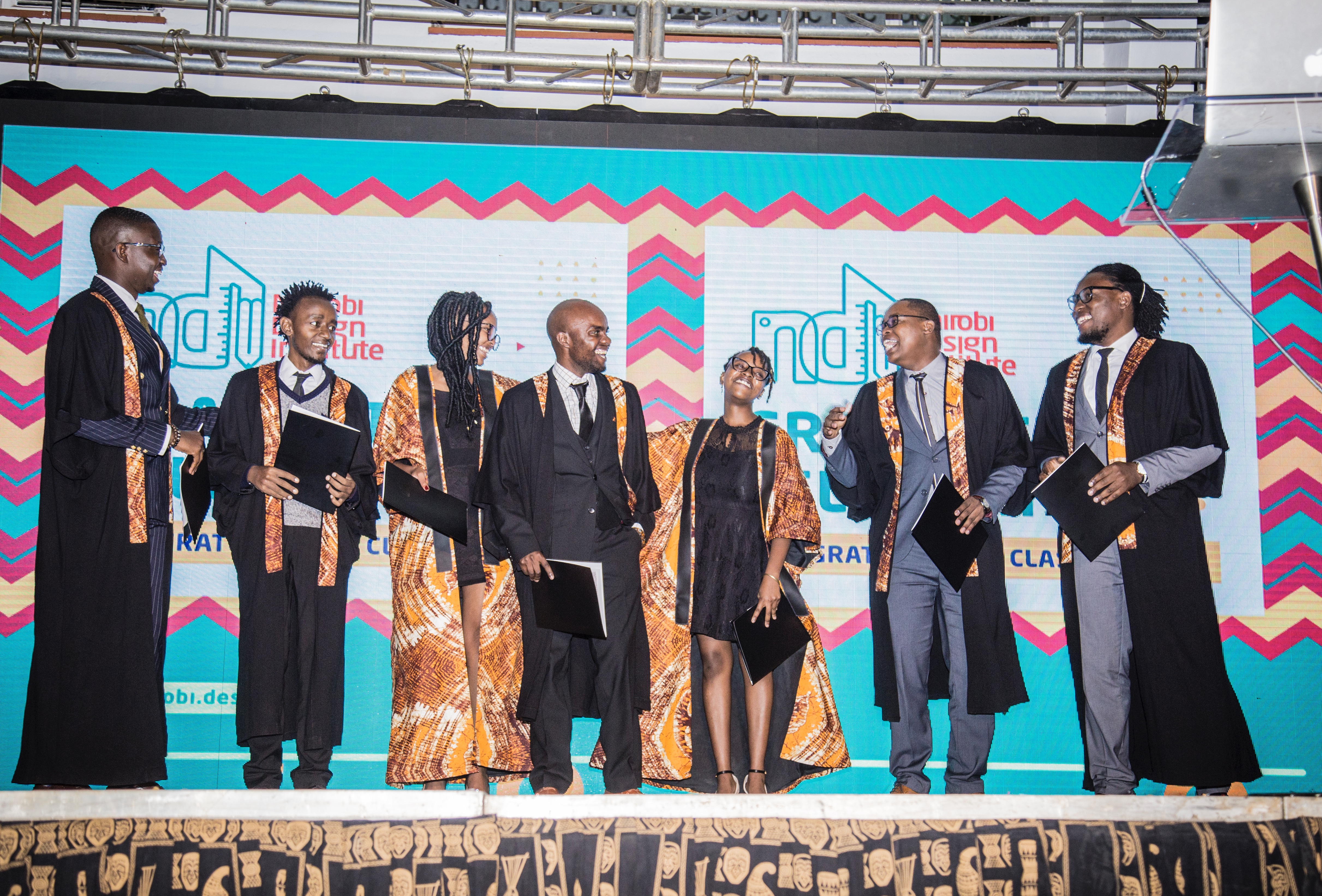
FIRST GRADUATION · 2018

Celebrating who they'd become.

Graduation marked more than the end of a programme. Families, mentors and partners gathered to celebrate the confidence, curiosity and sense of purpose the fellows had developed through a year of working together.

EXPANDING THE MODEL · 2018

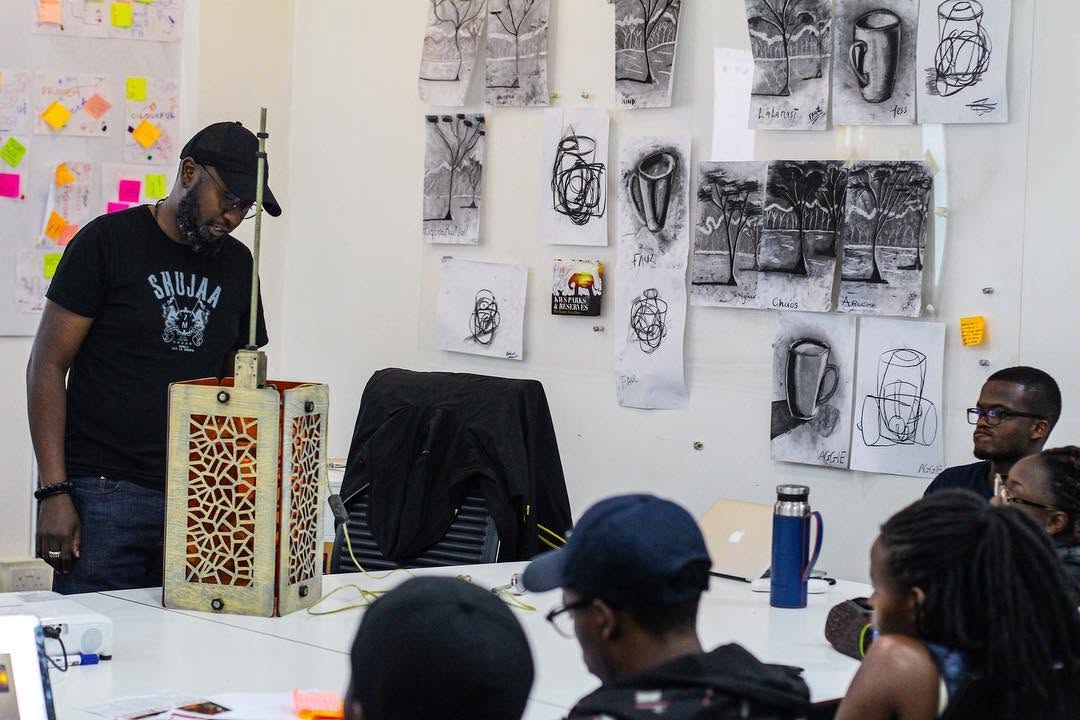
Learning from practitioners.

Industry leaders became trainers, mentors and guest faculty, bringing current challenges and practical experience into the classroom. It was an important step towards making professional practice part of the learning experience, not something that happened after graduation.

REFINING THE MODEL · 2018

Growing without losing depth.

The second cohort expanded to fifteen fellows. Growth became the next experiment, exploring whether close mentorship and reflective practice could remain central as the programme continued to evolve.

TESTING IN PRACTICE · 2018

Learning meets the real world.

Graduates joined organisations including IDEO.org, Dalberg Design, ThinkPlace and Twiga Foods. Their work became one of the clearest ways to understand whether the model translated into demanding professional environments.

TESTING BEYOND AFRICA · 2018

From From Nairobi to Berlin.

The strongest fellow from the first cohort joined Fuenfwerken AG in Berlin for a six-month placement. It became an opportunity to see whether capabilities developed in Nairobi could thrive within an international design practice.

LEARNING ACROSS CONTEXTS · 2019

Learning across continents.

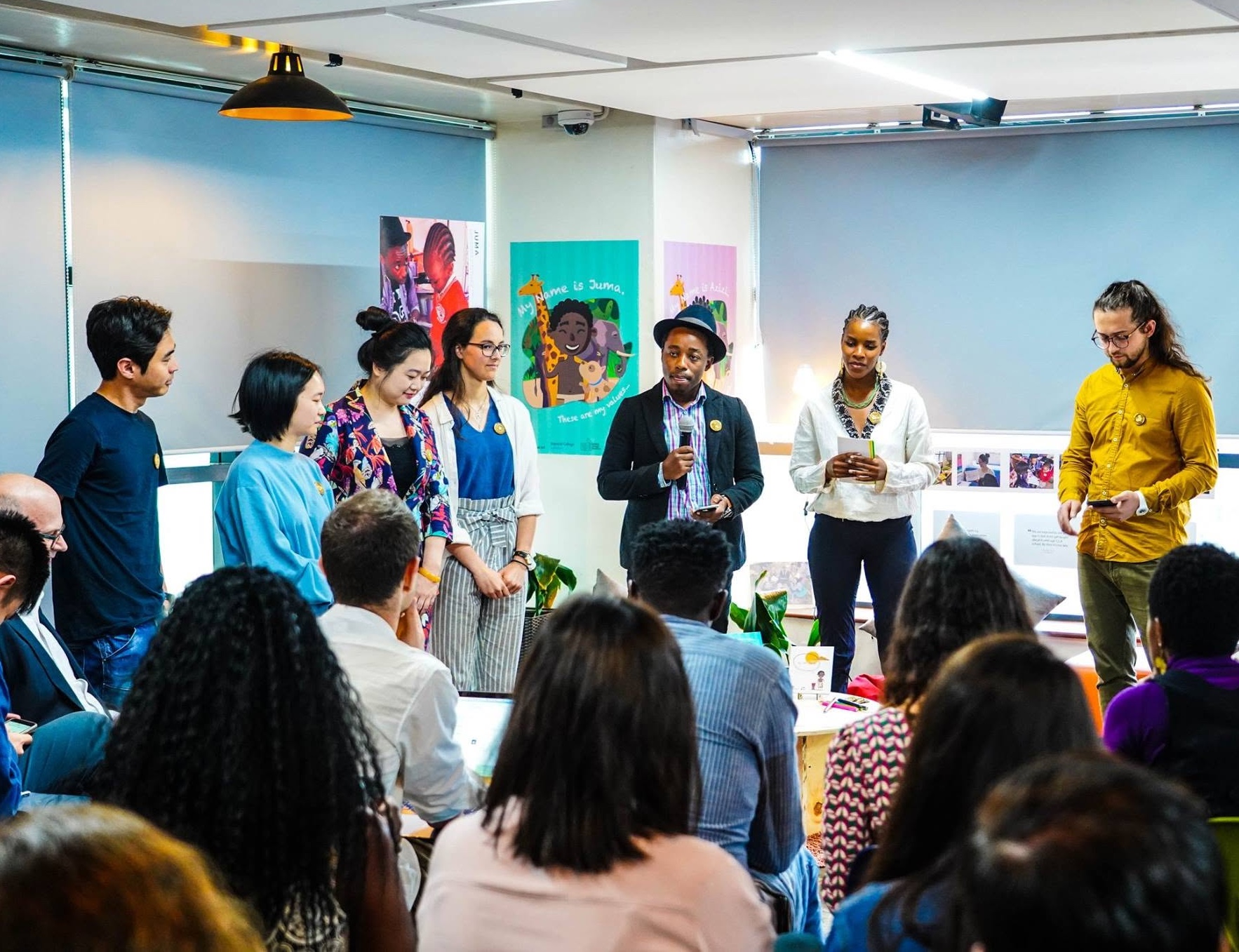
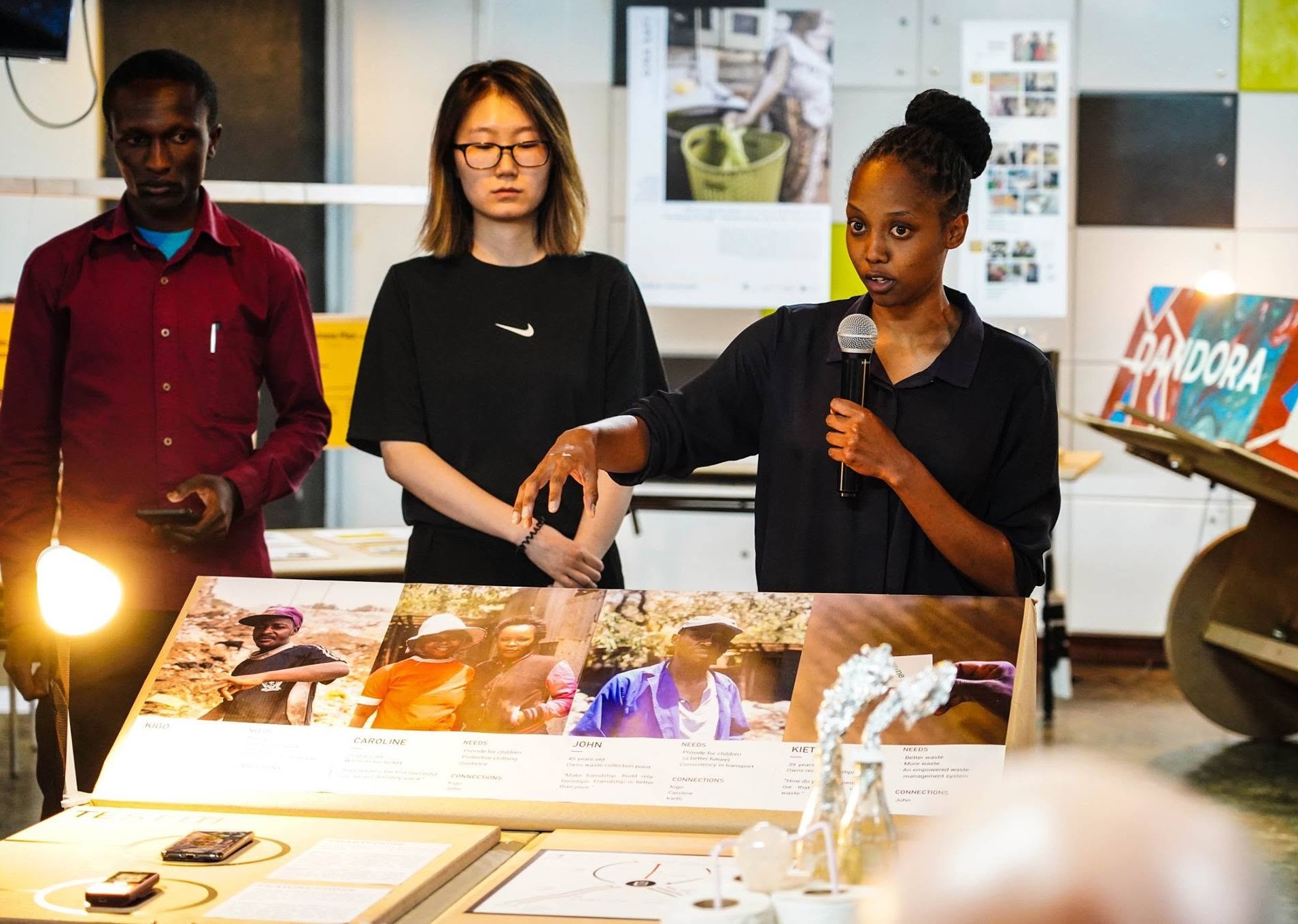
Together with the Royal College of Art and Imperial College London, more than sixty students explored Nairobi's waste system. Different disciplines, cultures and perspectives came together around one shared challenge.

SHARING THE LEARNING · 2019

Opening the conversation.

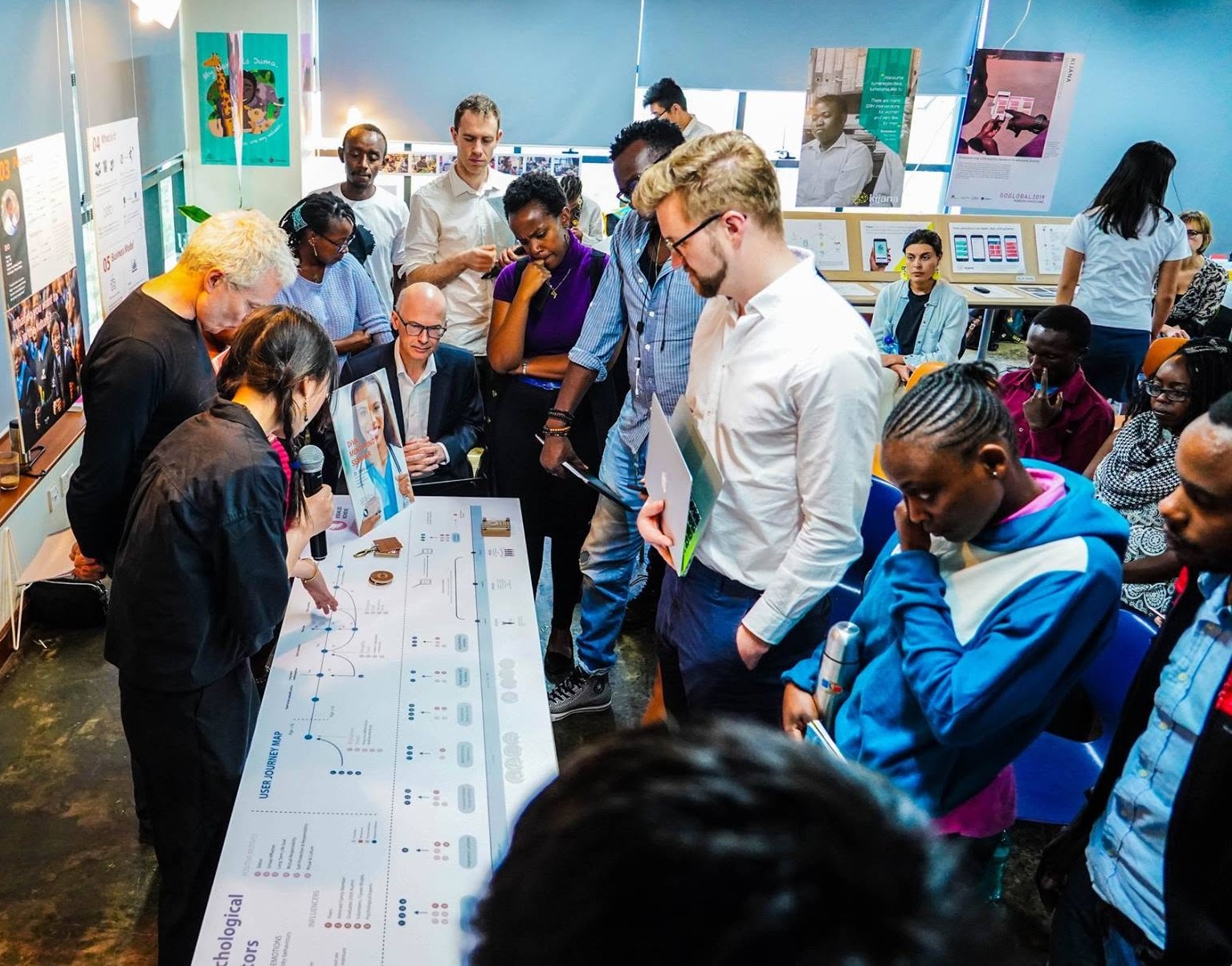
The programme concluded with a public exhibition where students shared their work with communities, practitioners and partners. It became an opportunity to invite critique, spark conversation and continue learning beyond the classroom.

LOOKING AHEAD · 2021

From institution to ecosystem.

By then, the question had grown beyond a single institution. The ambition shifted towards building an ecosystem where education, industry and communities could work together to strengthen Africa's capacity for innovation.

In their own words

Two films.

One captured where the students began, the other what they went on to build.
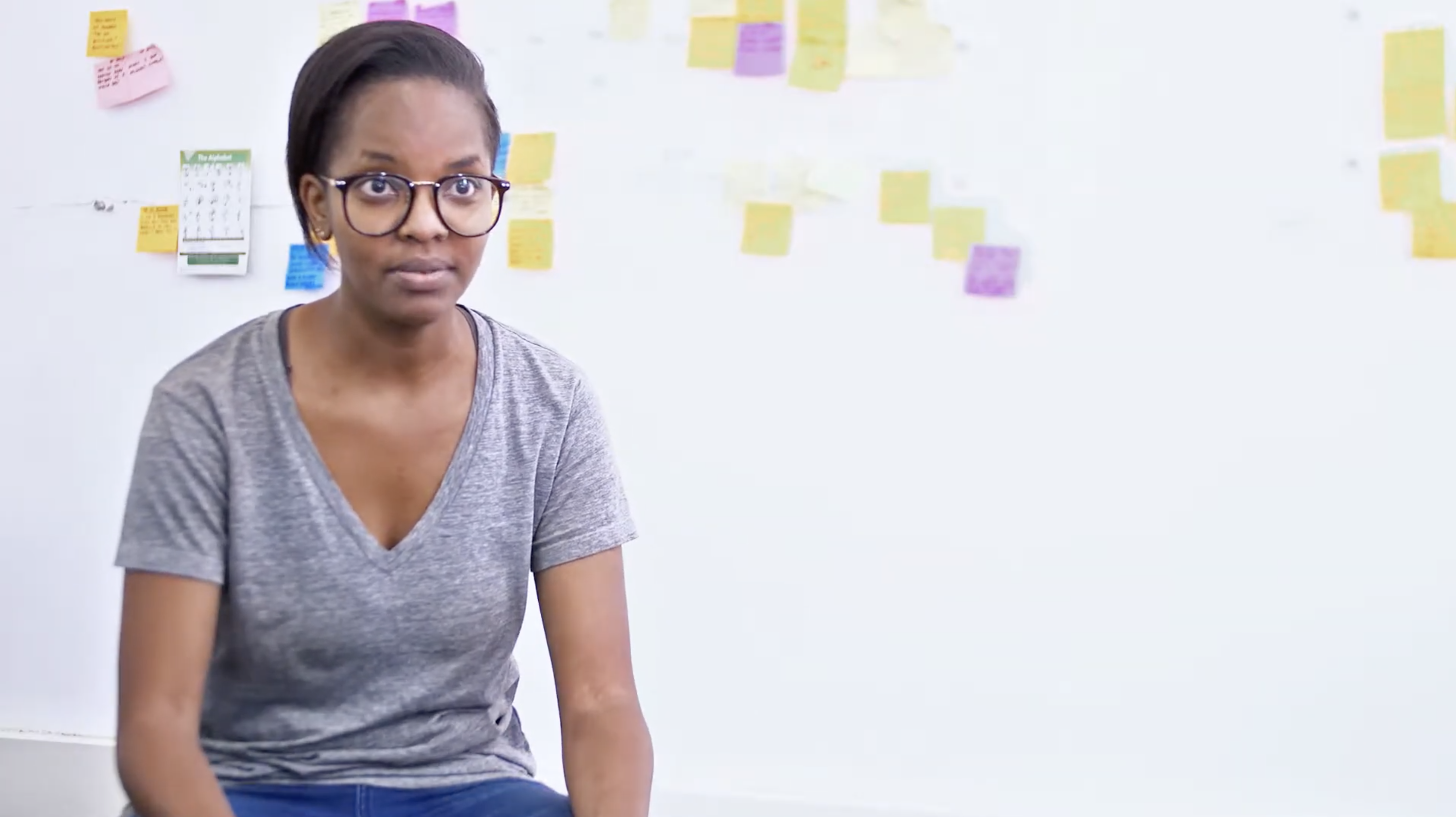
The Prototype  ·  2017
NDI student before

Where it began.

The first cohort of students learning to understand before designing.
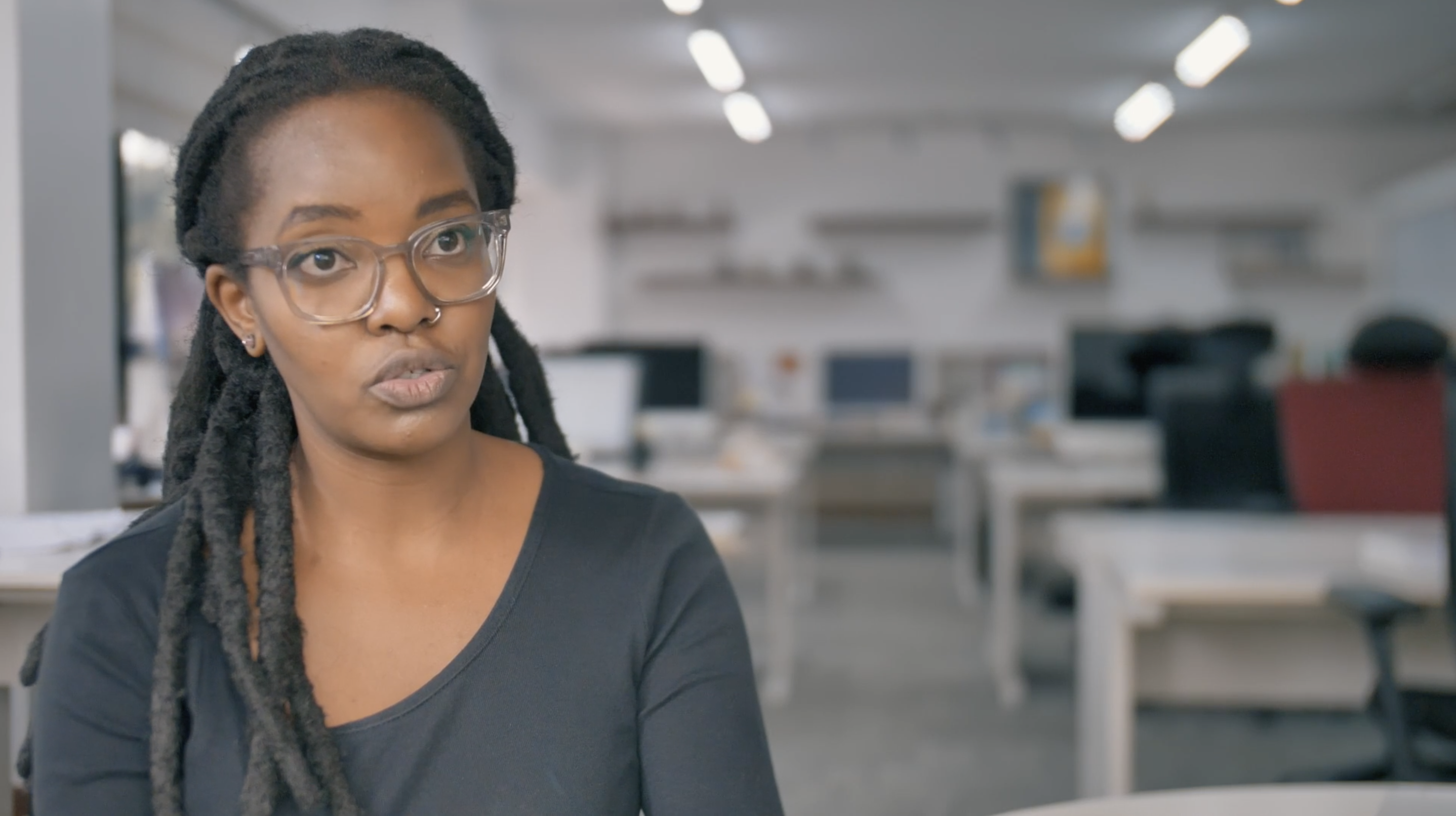
After Graduation  ·  2019
NDI student after

Where the students went.

What they built, who they became and what the programme made possible.

The programme may have paused, but the question remains. If you're exploring how Africa can strengthen its innovation capacity, I'd love to continue that conversation.

Say Hi  →

“Context isn’t something we add to innovation. It’s where innovation begins.”

Tosh Juma
Current Work
{{ w.no }}
{{ w.place }}

{{ w.title }}

{{ w.note }}