Hi, my name is Tosh Juma.
I help organisations make sense of the hard problems shaping Africa's future.
For fifteen years, I've worked alongside communities, institutions and leaders across Africa, exploring questions that don't have straightforward answers. From early childhood development and financial inclusion to public innovation, my role has been to make sense of complexity before action begins.
Research • Strategy • Design

How I work.
Tosh Juma works at the intersection of research, strategy and public innovation, helping organisations better understand complex challenges before deciding what to build, fund or change.
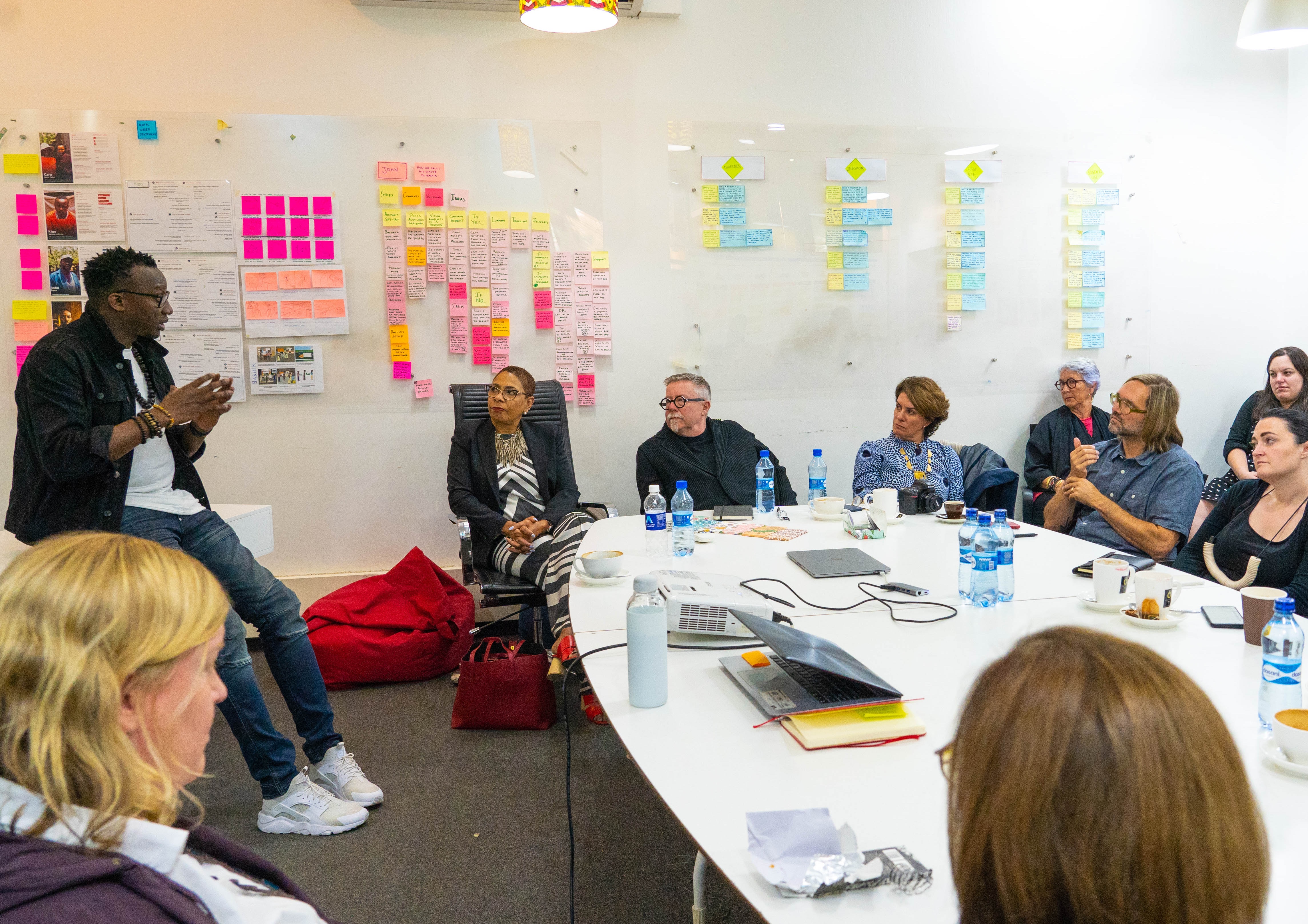
Over the years, these four principles have consistently shaped how I approach my work.
Better understanding
before better solutions.
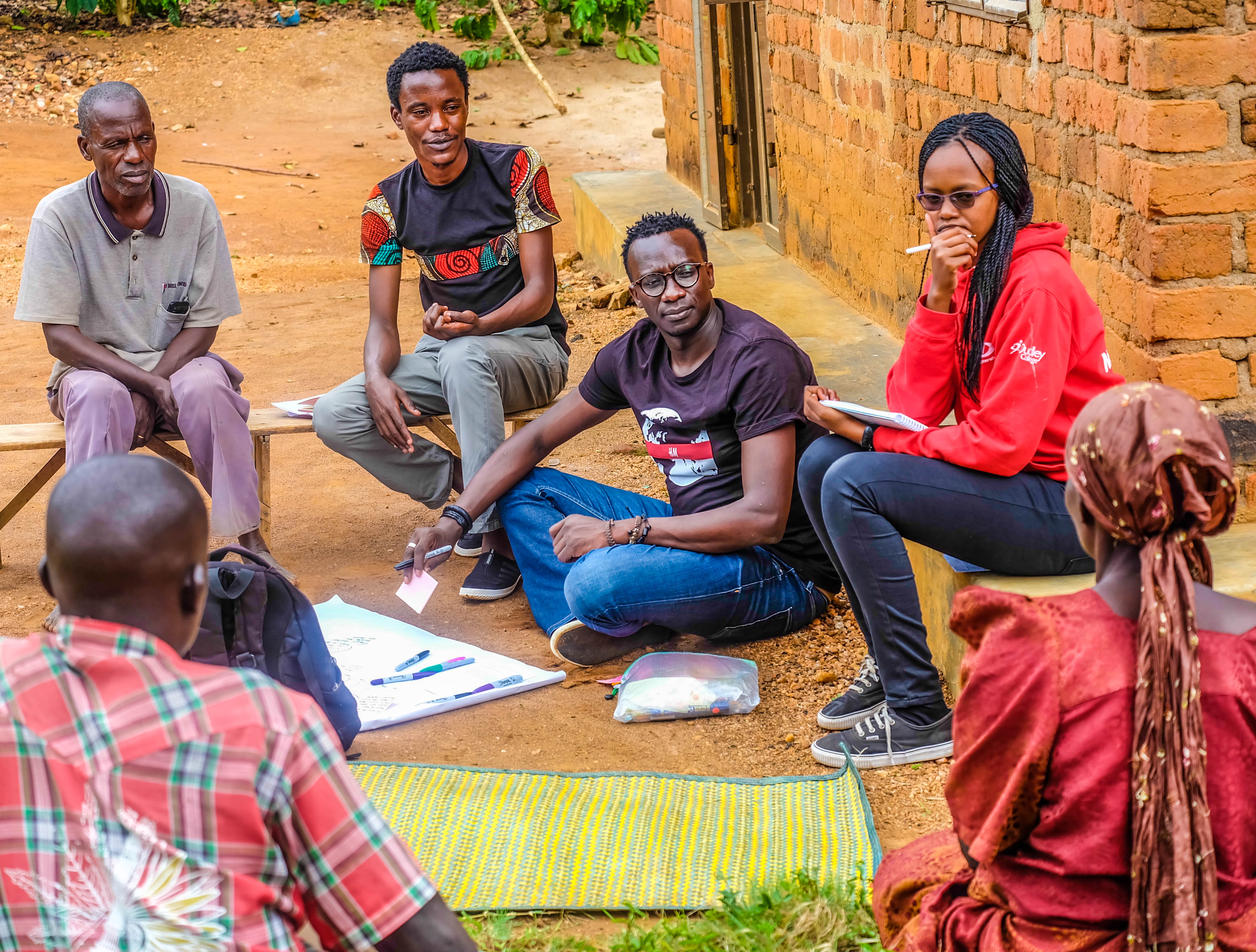
Most organisations are under pressure to move quickly. My work begins by slowing down just enough to understand what people are experiencing before deciding what to build, fund or change.
Context is part
of the solution.
Understanding context isn't a phase of innovation. It shapes every decision that follows, from framing the problem to testing ideas and implementing change.
Decisions improve
when they're shared.
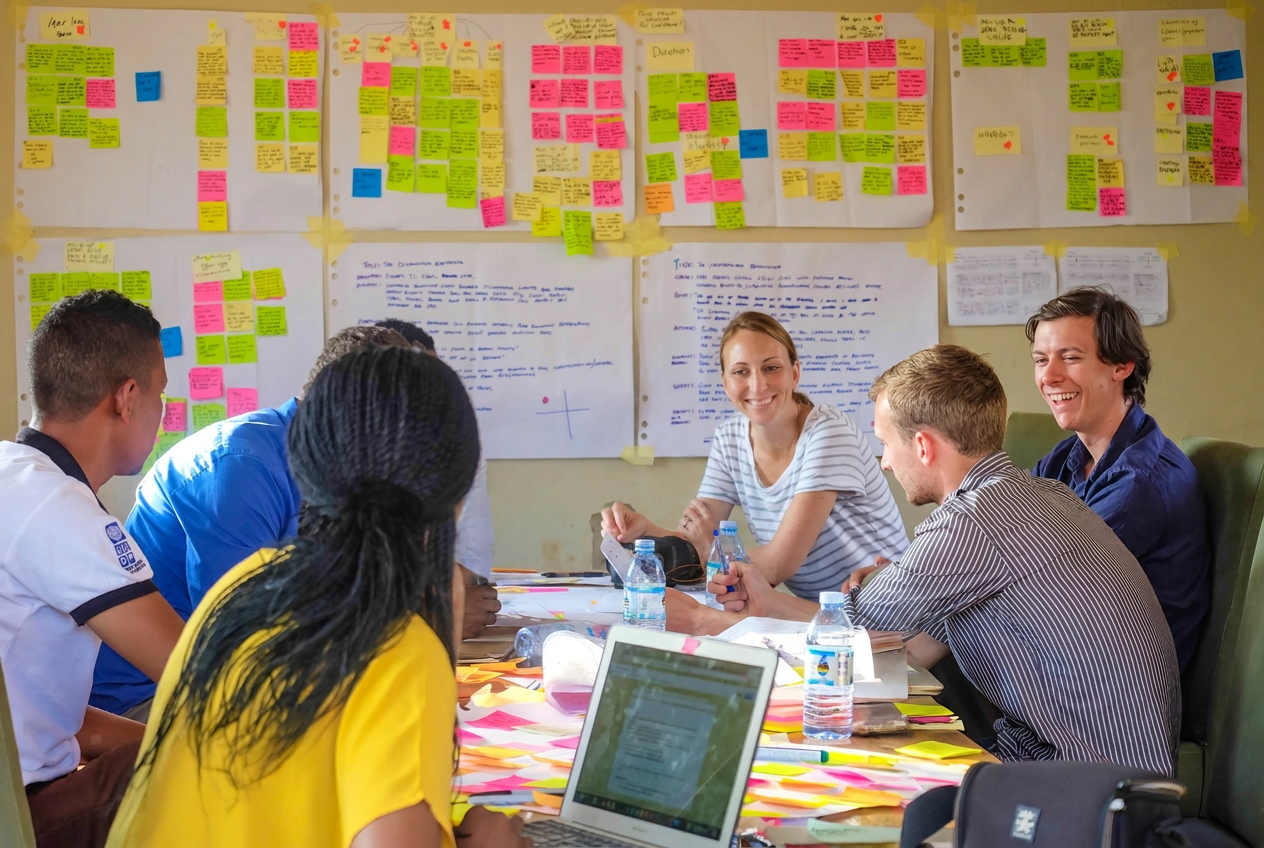
The strongest strategies rarely come from one perspective. They emerge when different forms of knowledge are brought together around a shared understanding of the challenge.
Ideas deserve
to be tested.
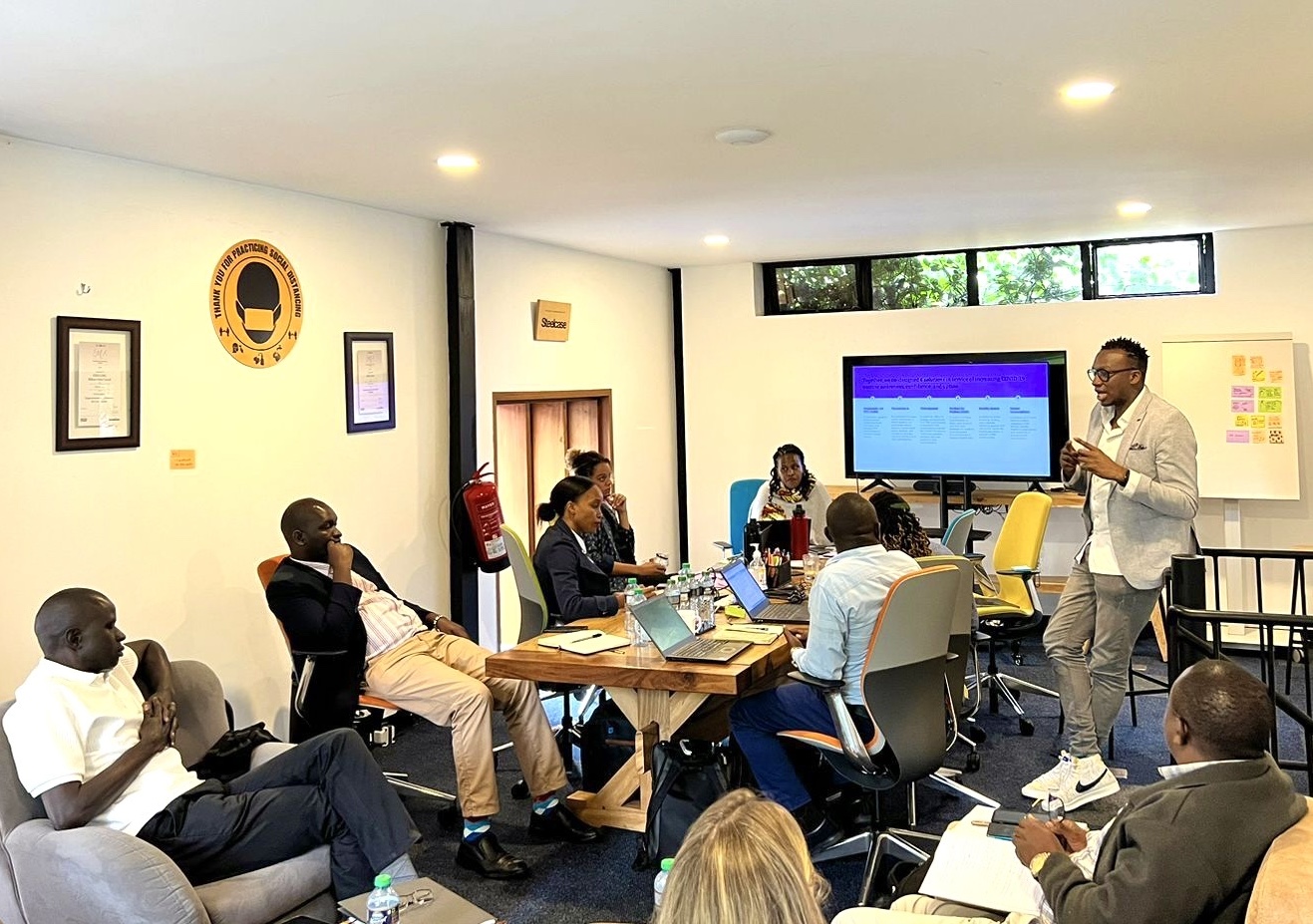
Rather than assuming the first answer is right, I prefer exploring new directions early, learning quickly and adapting before larger commitments are made.
Hard problems.
These are some of the questions I've had the privilege of exploring alongside communities, organisations and governments across Africa.
While each context is different, the work always begins by understanding people before searching for solutions.
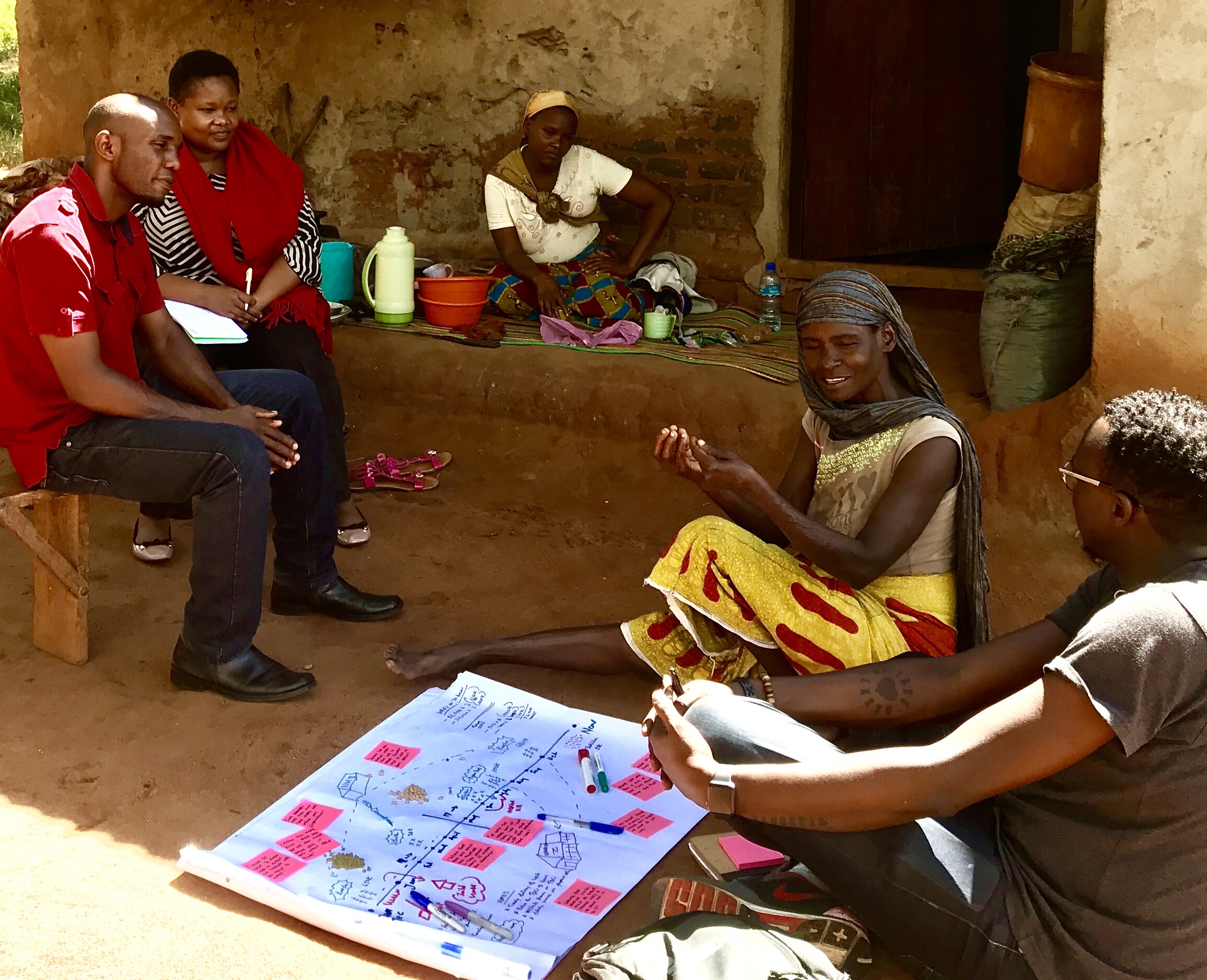
How can financial services be designed around the realities of smallholder farming households?
Redesigning Zambia's national agricultural credit programme to better support smallholder farmers by understanding how financial decisions are shaped by everyday farming realities.
Read field notes →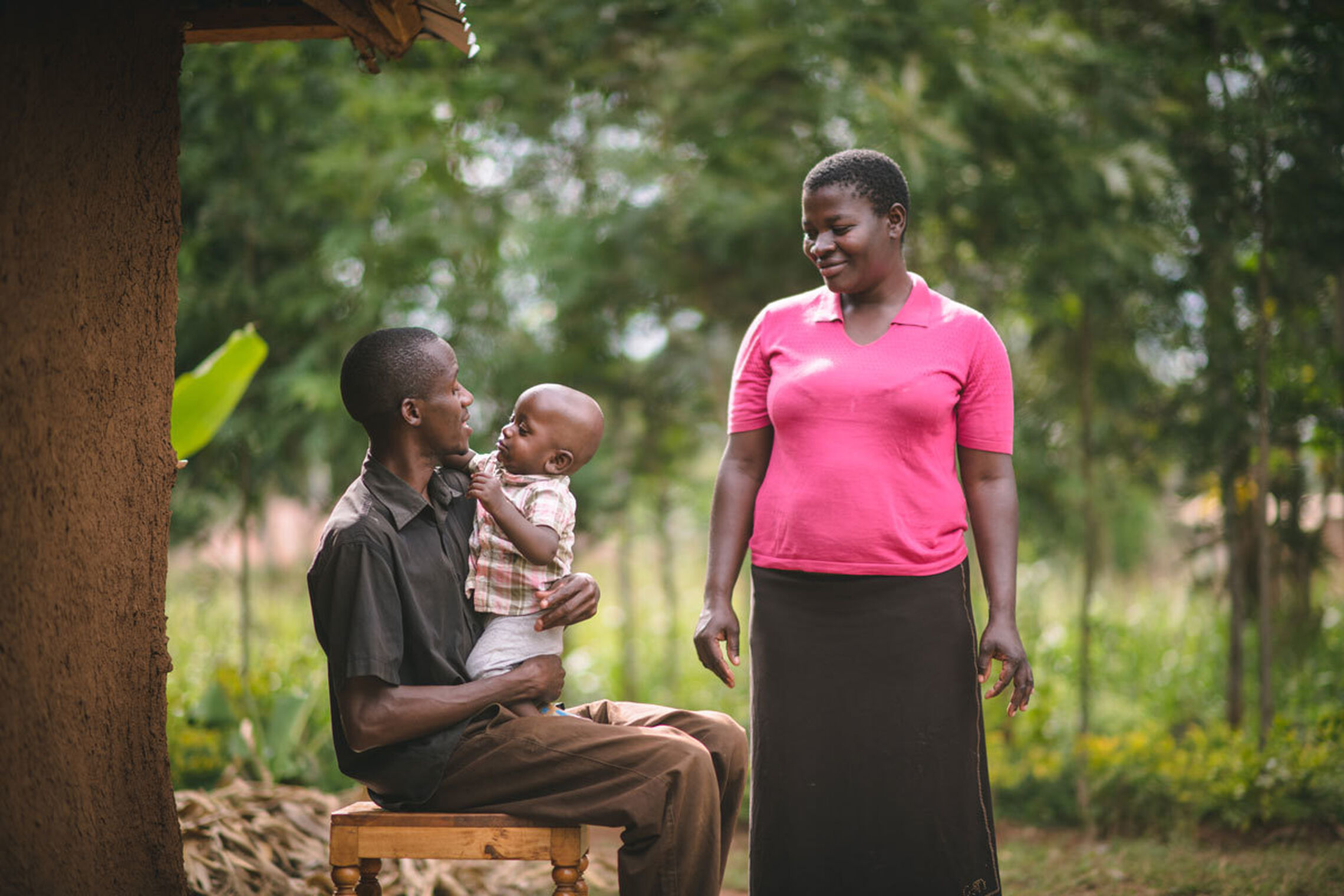
How do we create the conditions for fathers to become active caregivers in a child's first 1,000 days?
Bringing together county governments, technical partners and communities to strengthen nurturing care through a shared behaviour change strategy for families with young children.
Read field notes →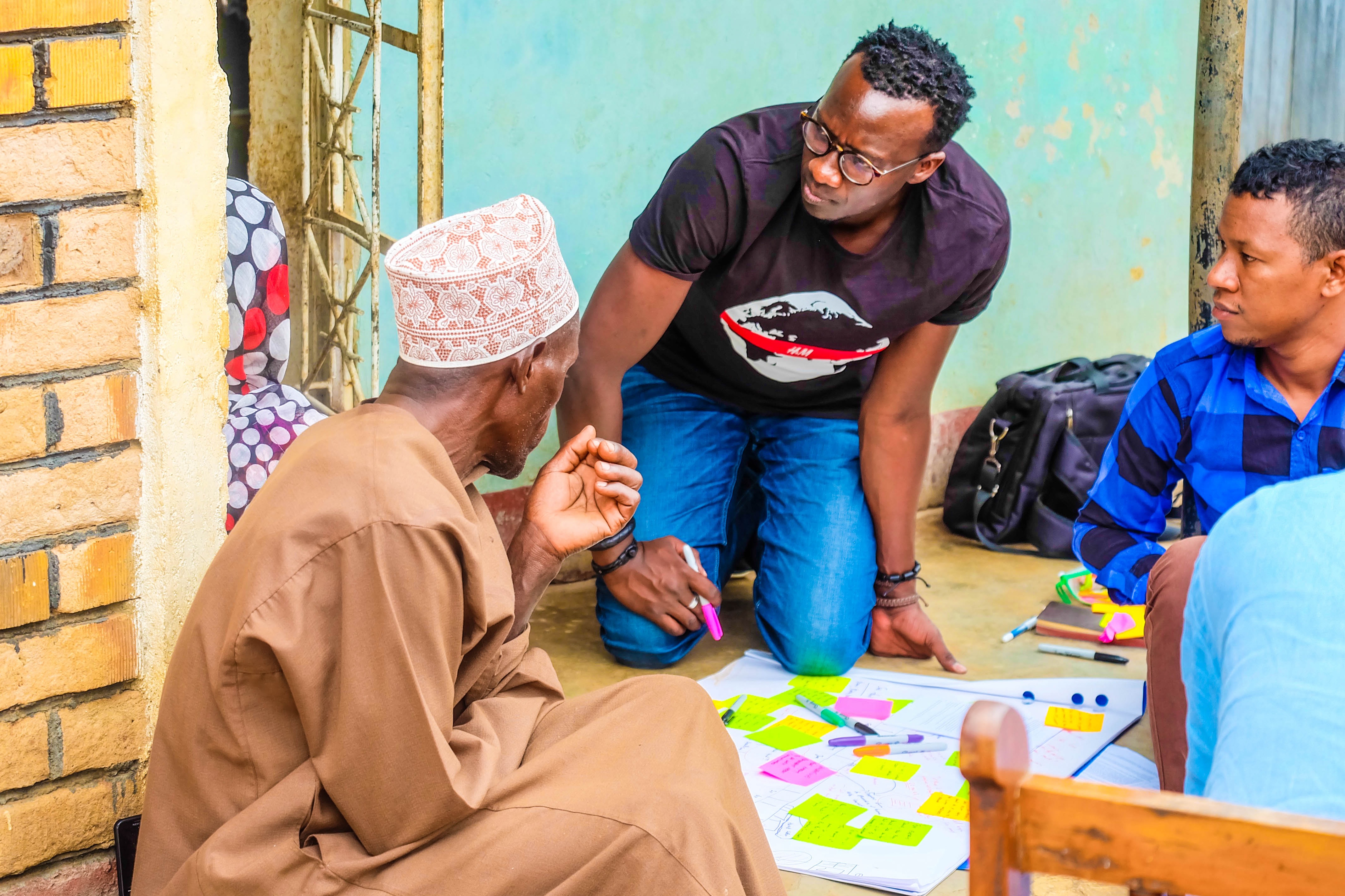
How can education better support children living in vulnerable circumstances?
Working with communities, religious leaders and educators in Dakar to explore alternative education pathways for Talibé children living and learning outside the formal education system.
Read field notes →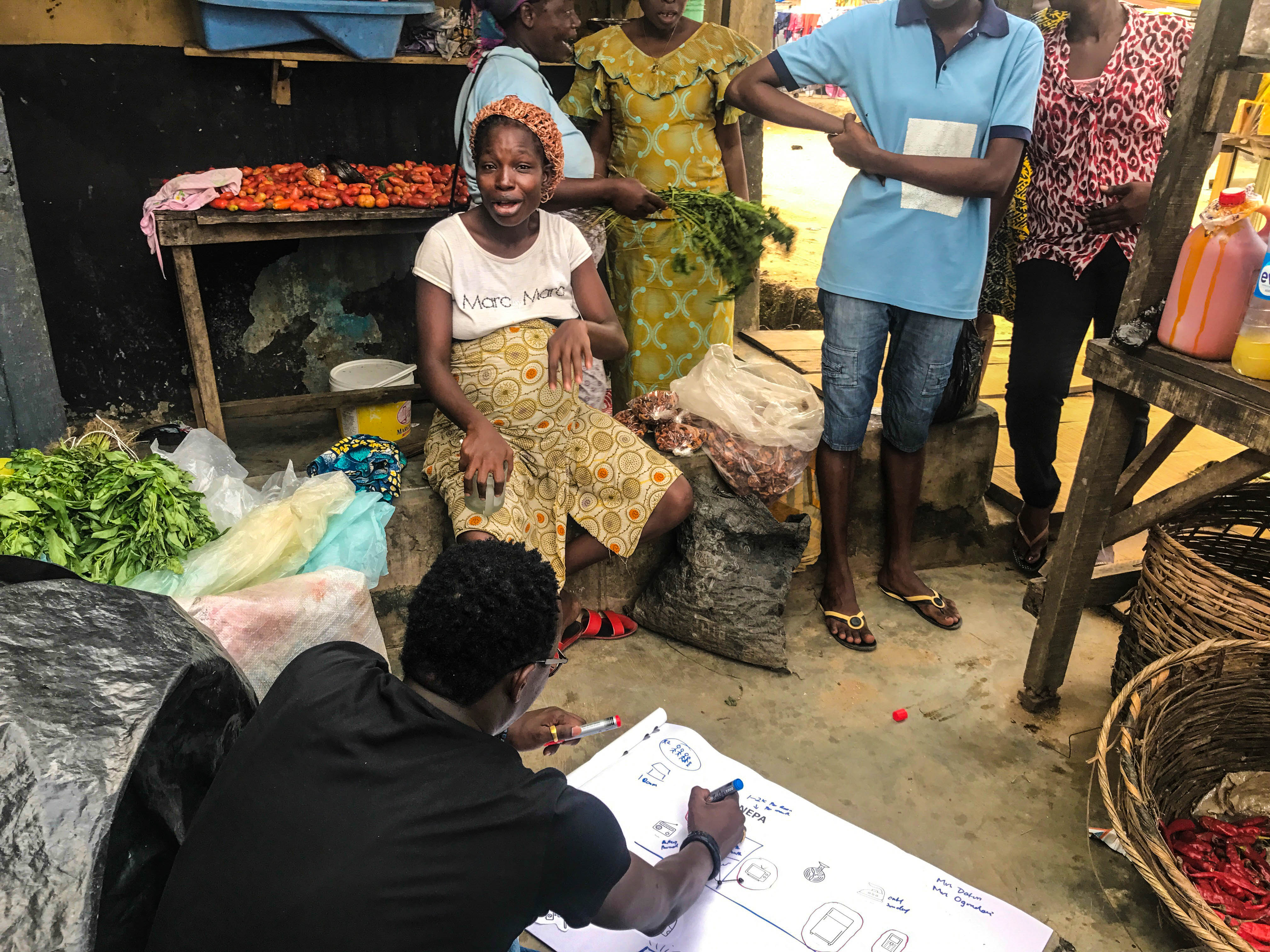
How can sanitation technologies work within the realities of informal urban communities?
Working with landlords, tenants and sanitation actors in Nigeria to understand how toilet adoption is shaped by land ownership, construction decisions and existing waste collection systems.
Field Notes Soon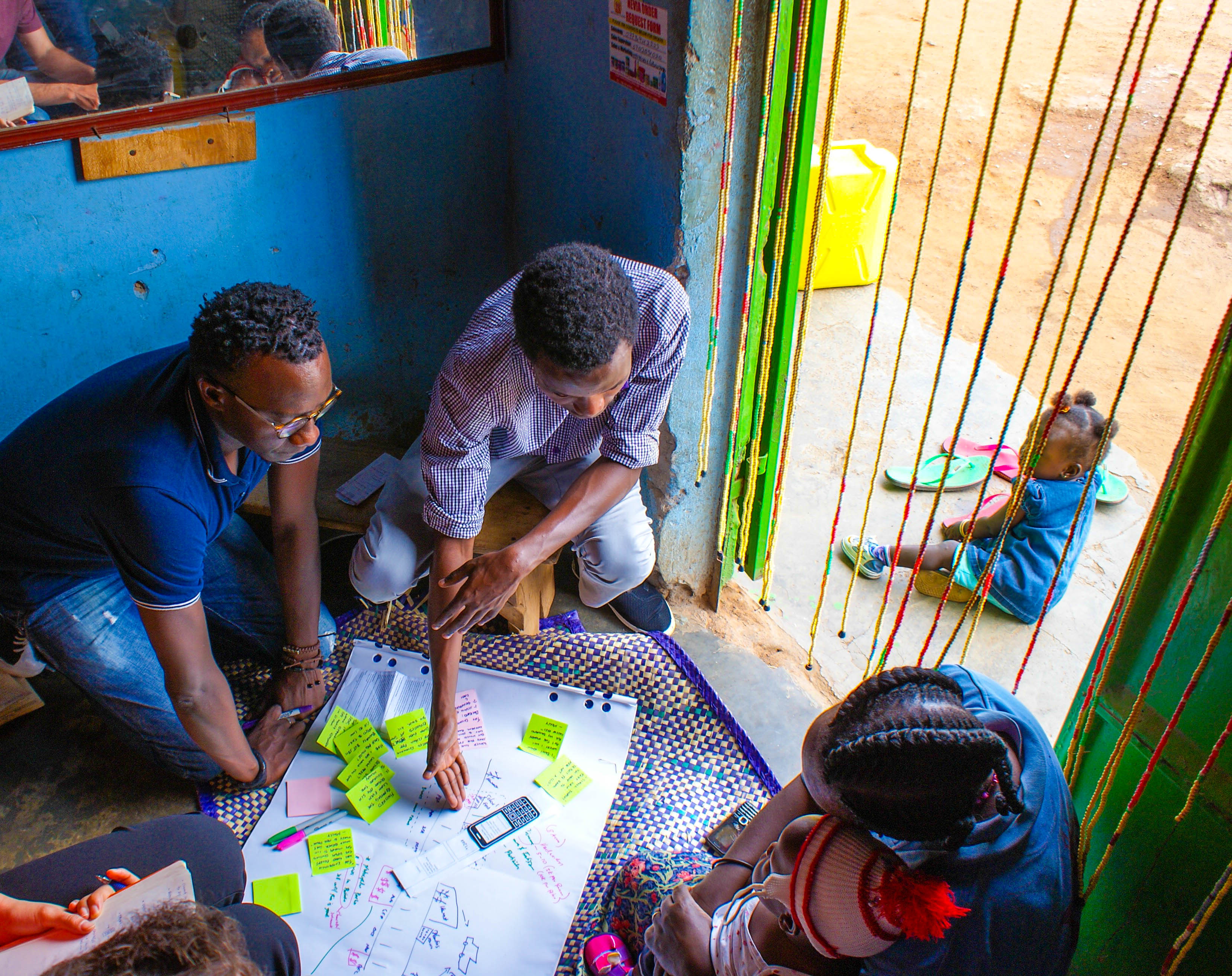
How can school fee financing better reflect the realities of how rural families earn, save and pay?
Redesigning ReadyPay's school fee loan in Uganda by understanding how farming households manage education costs, repayment pressure and seasonal income across the school year.
Field Notes Soon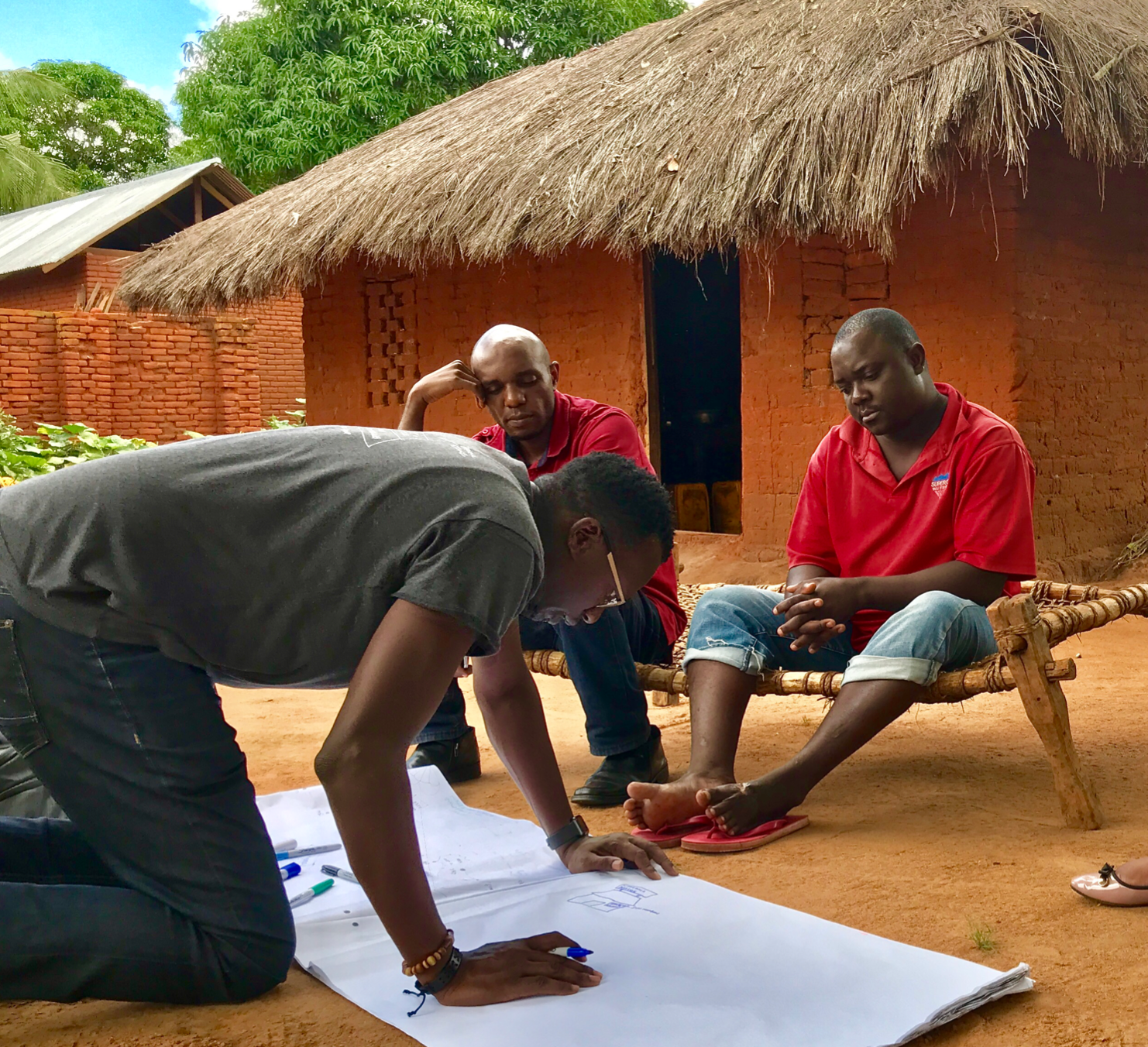
How can digital financial services become useful for smallholder farmers beyond receiving payments?
Working with NMB and cashew farming communities in Tanzania to strengthen farmer engagement by connecting digital finance to seasonal cash flow and agricultural needs.
Field Notes Soon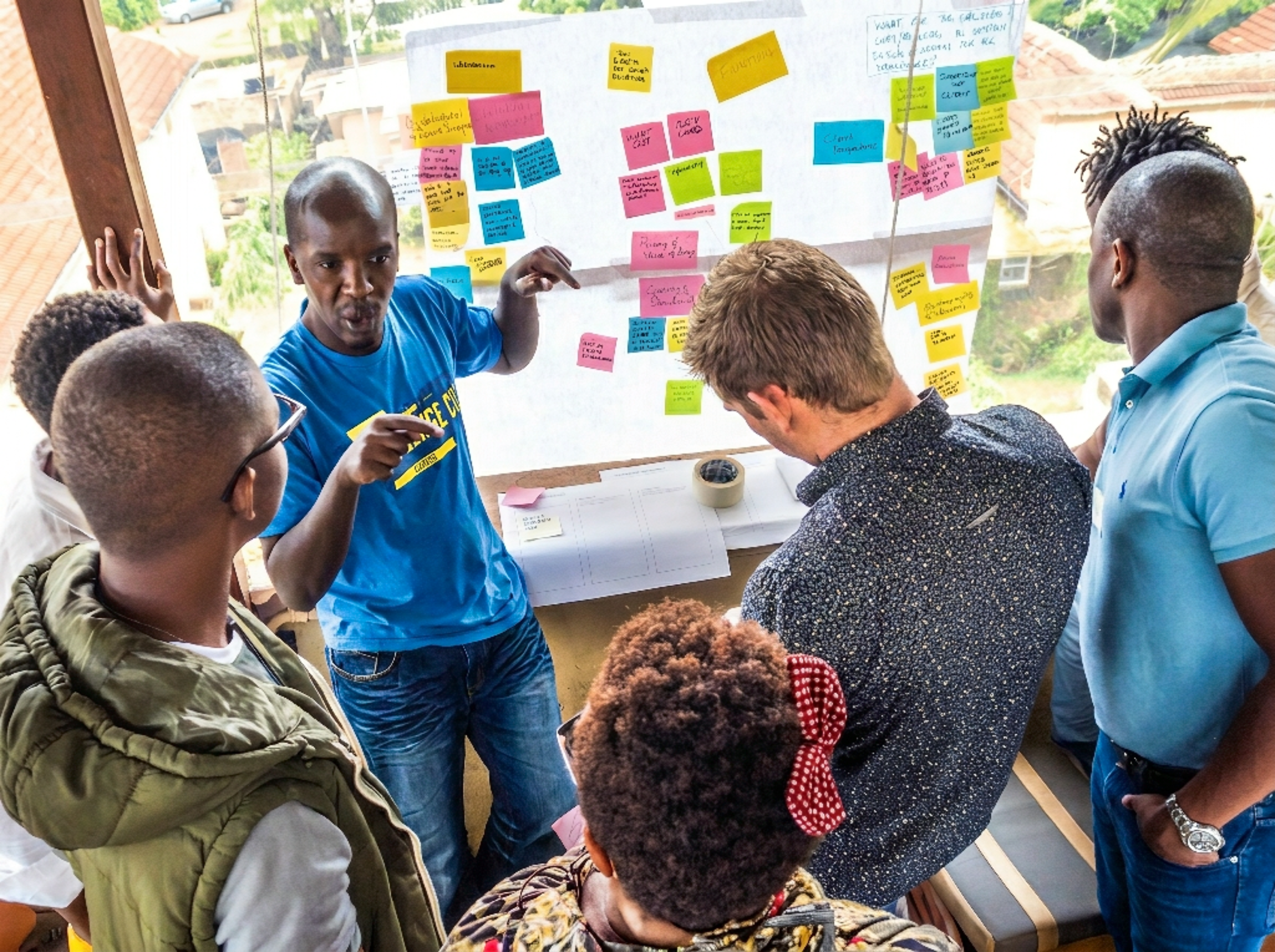

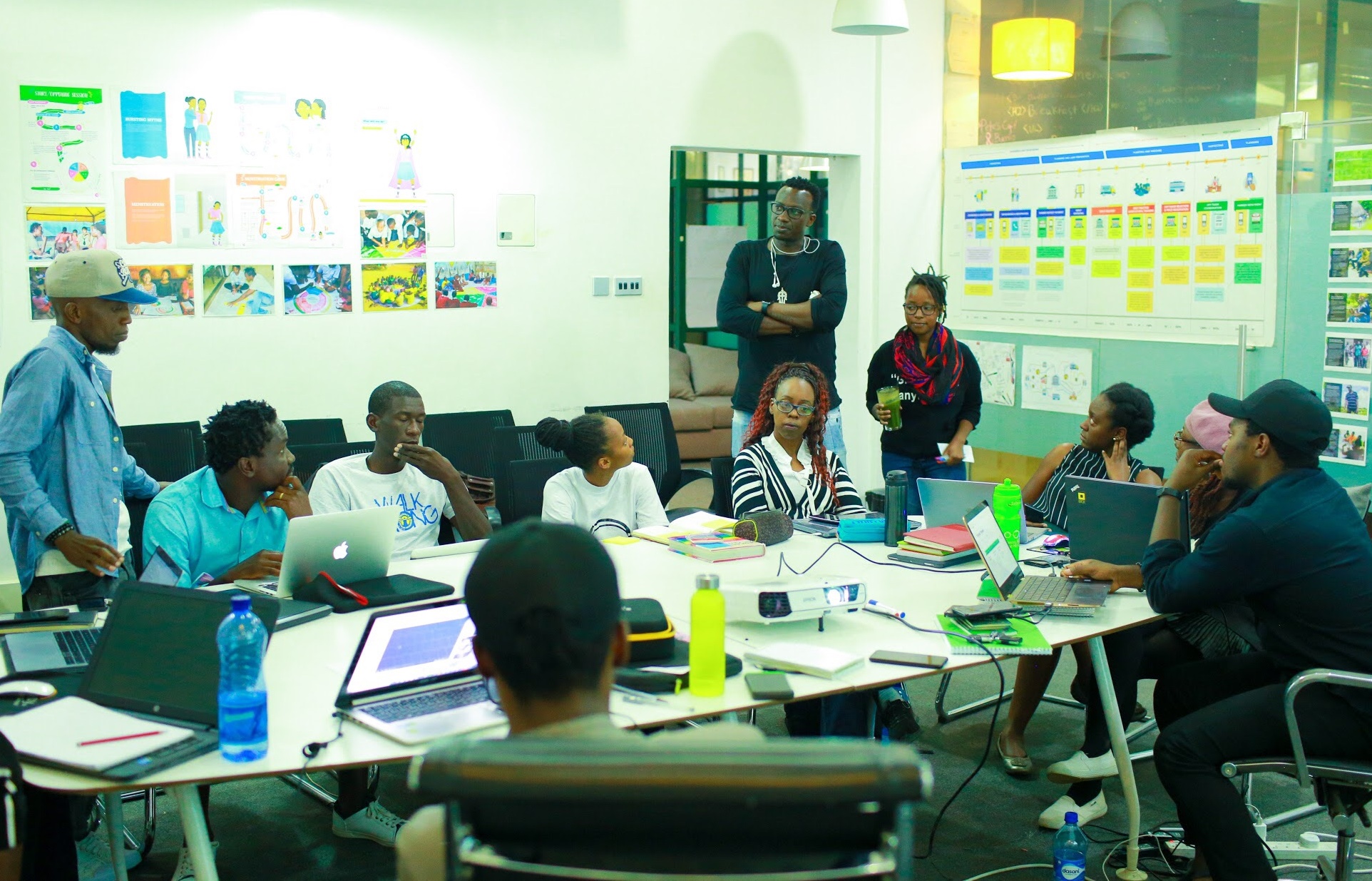

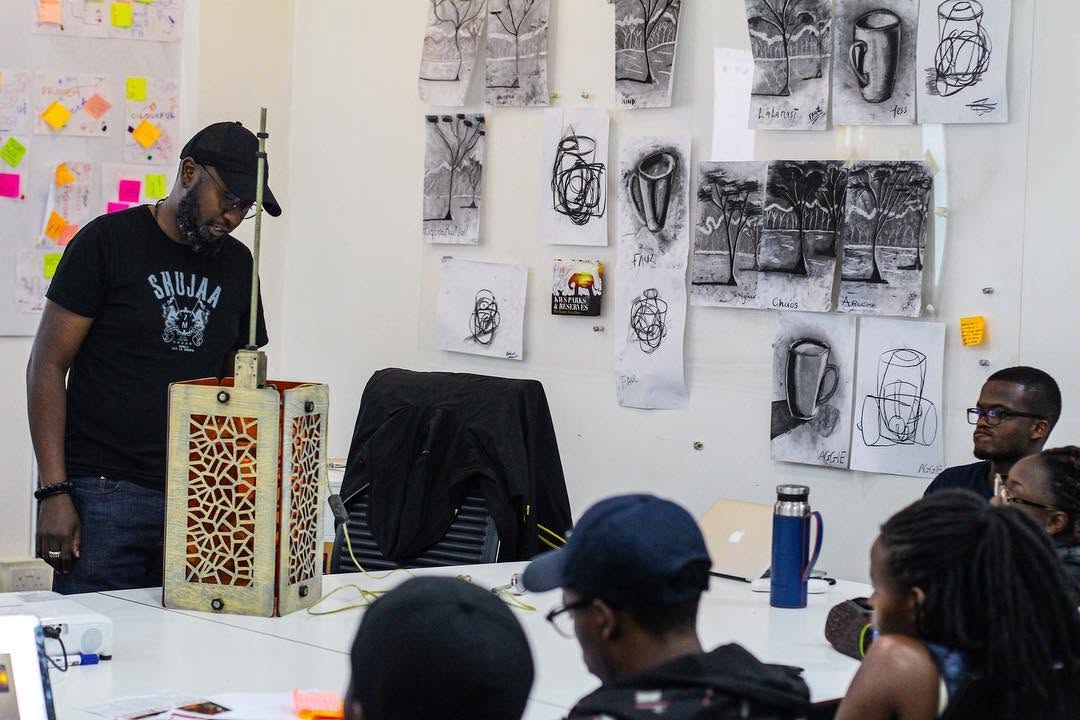
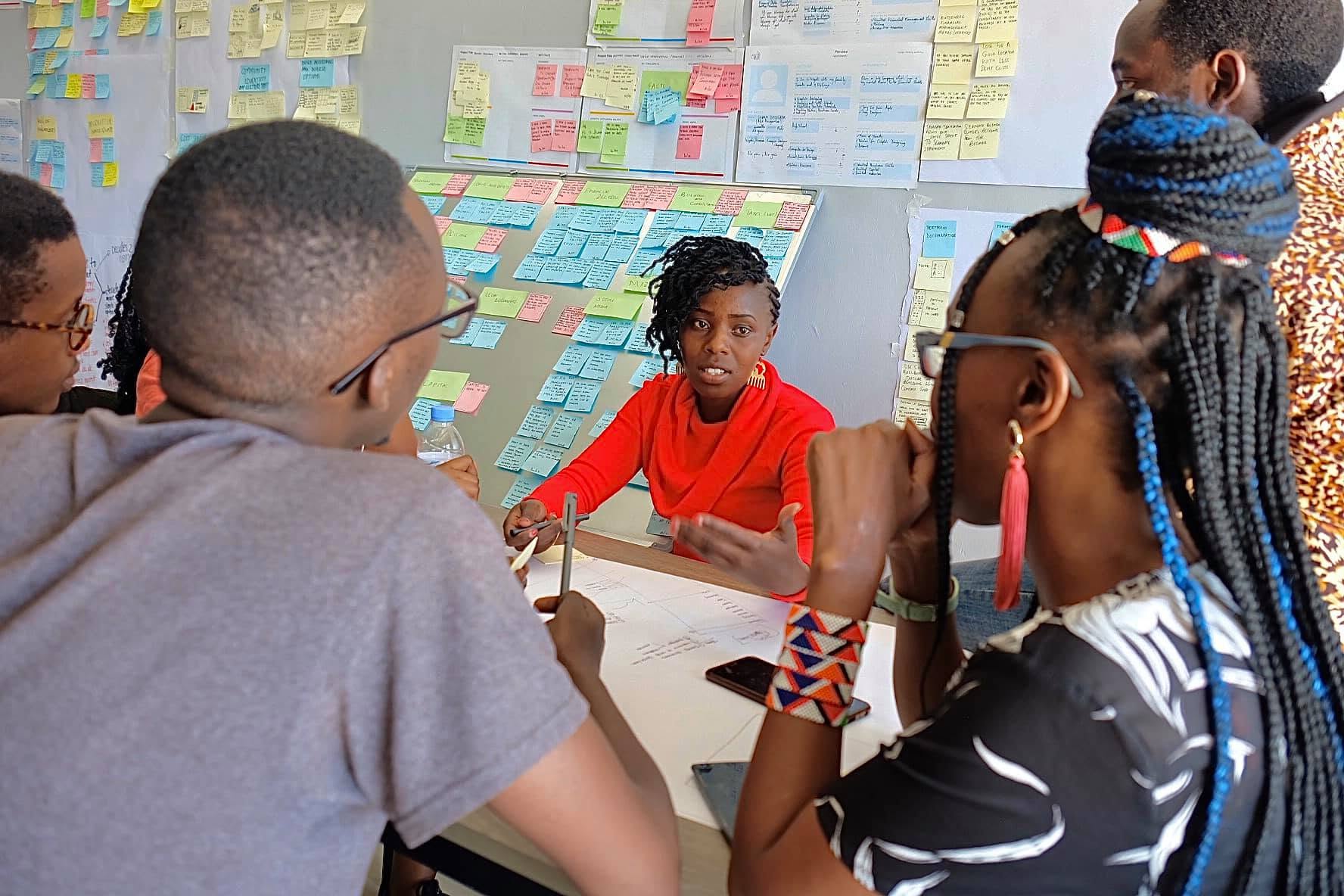
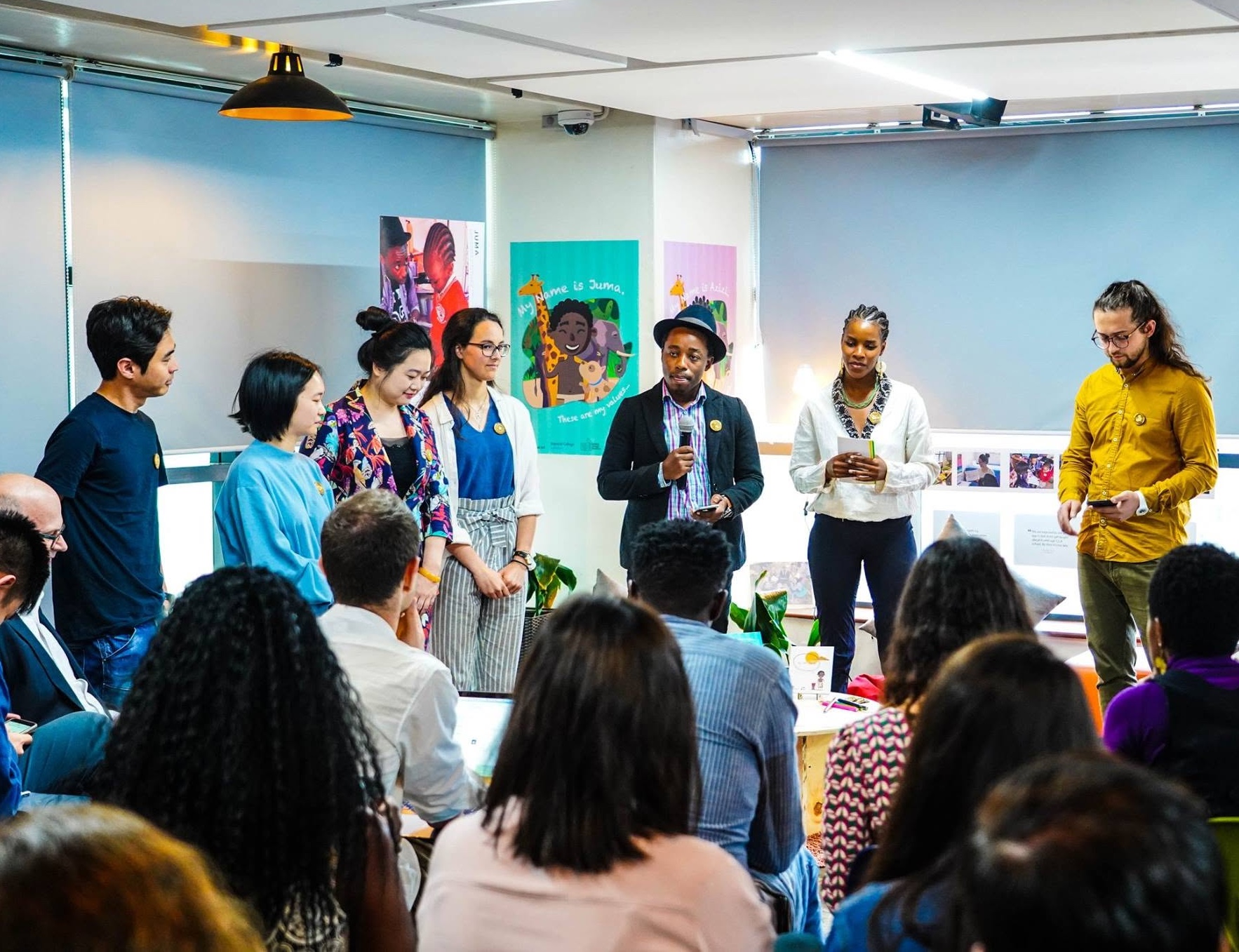
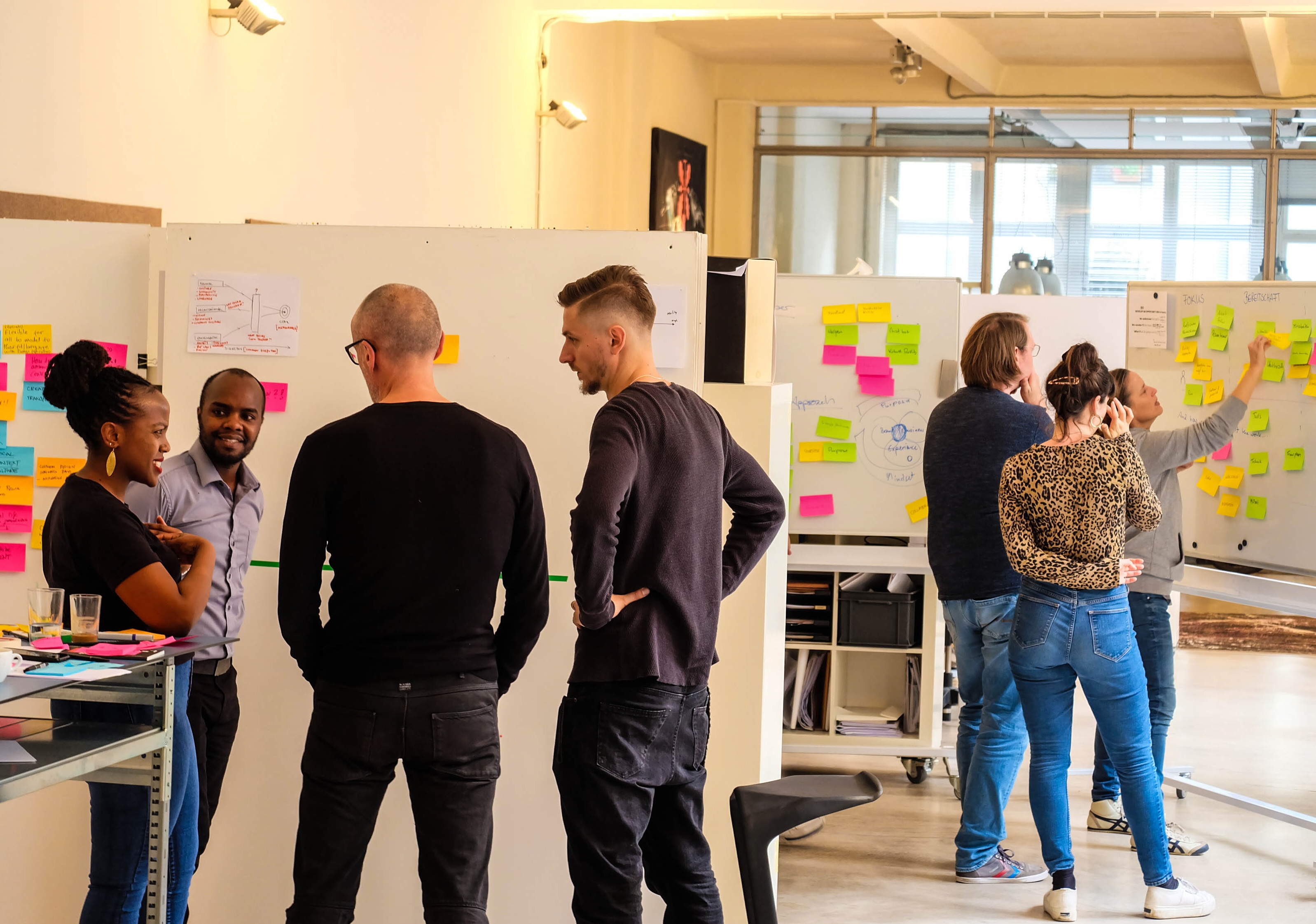
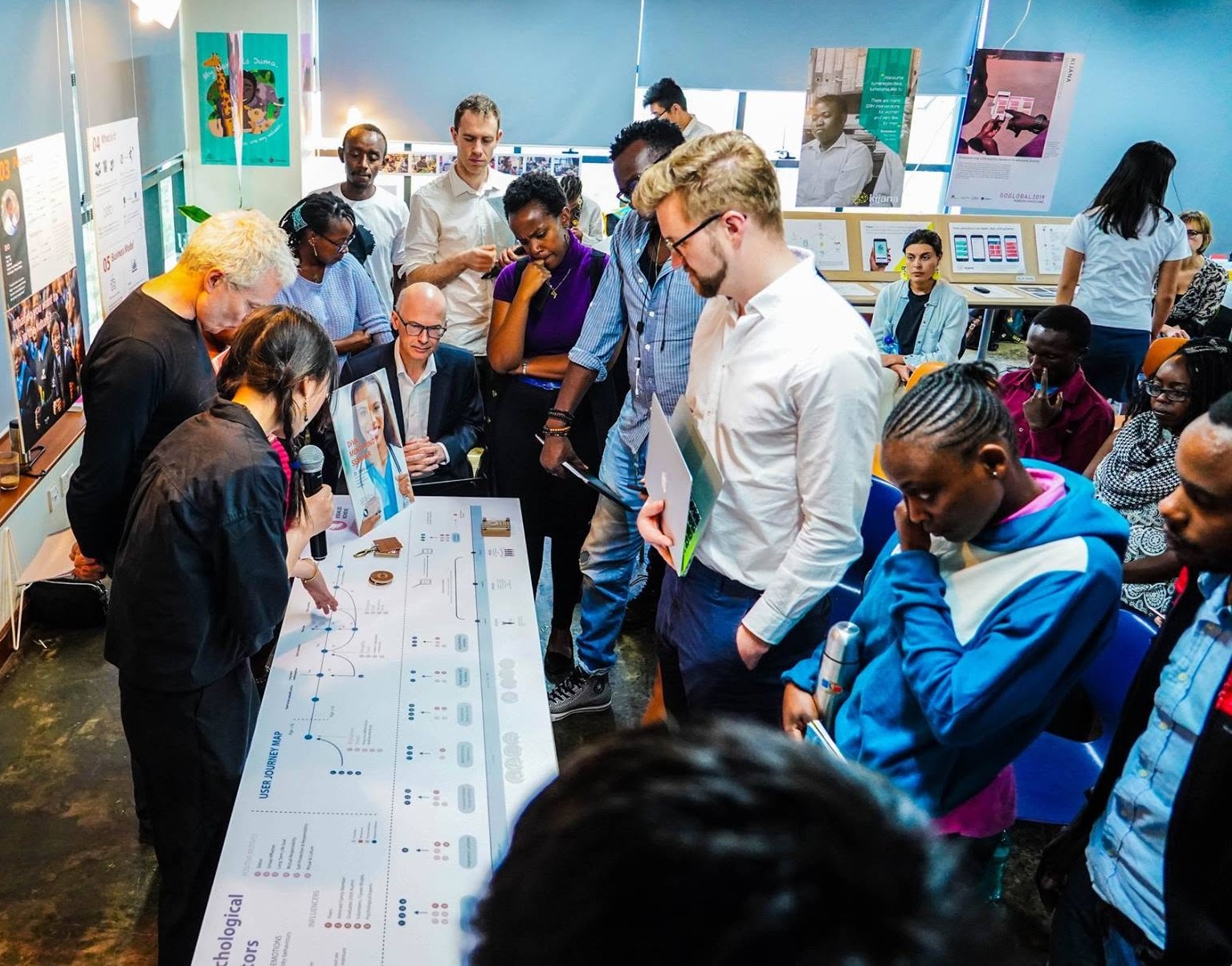
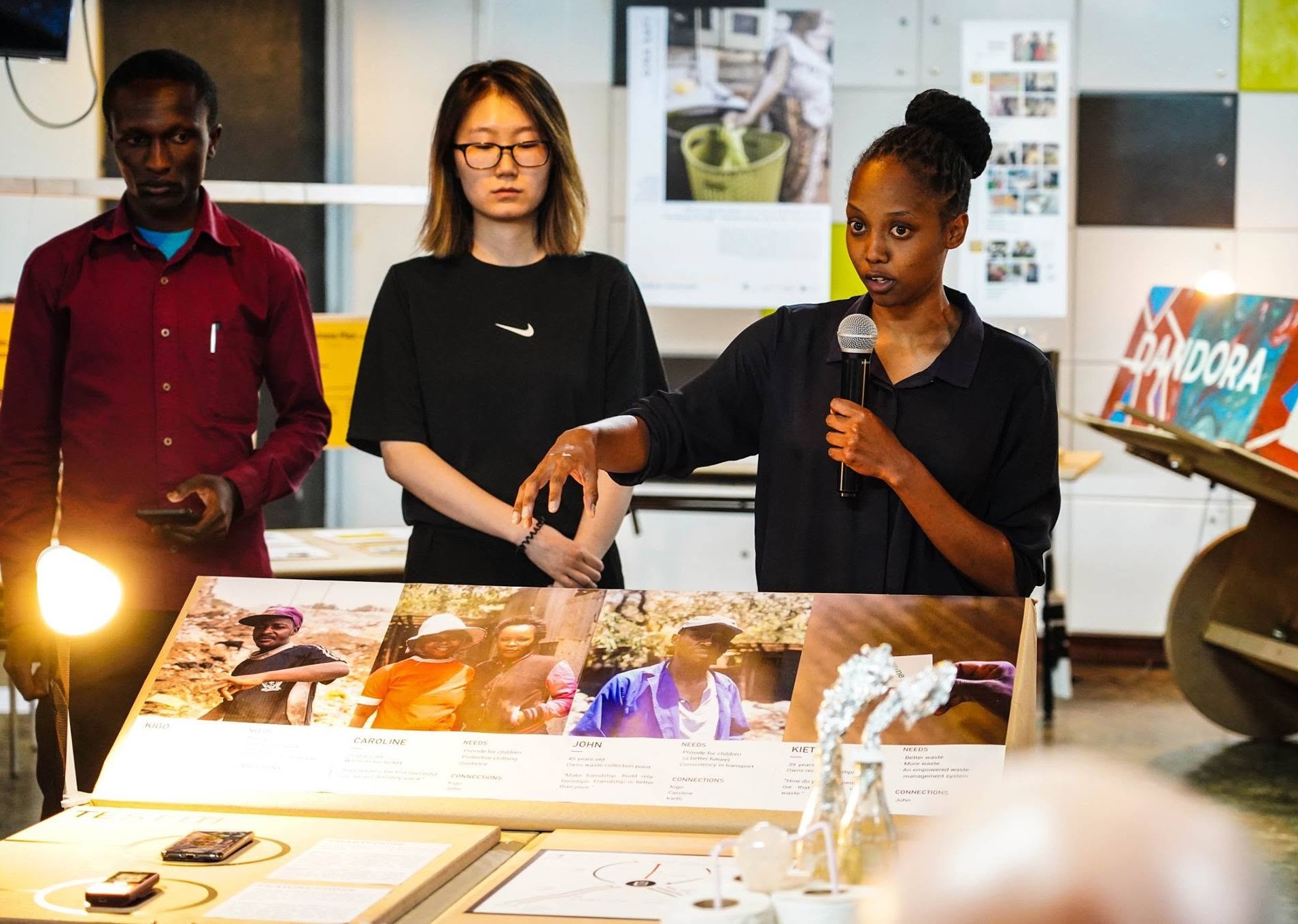
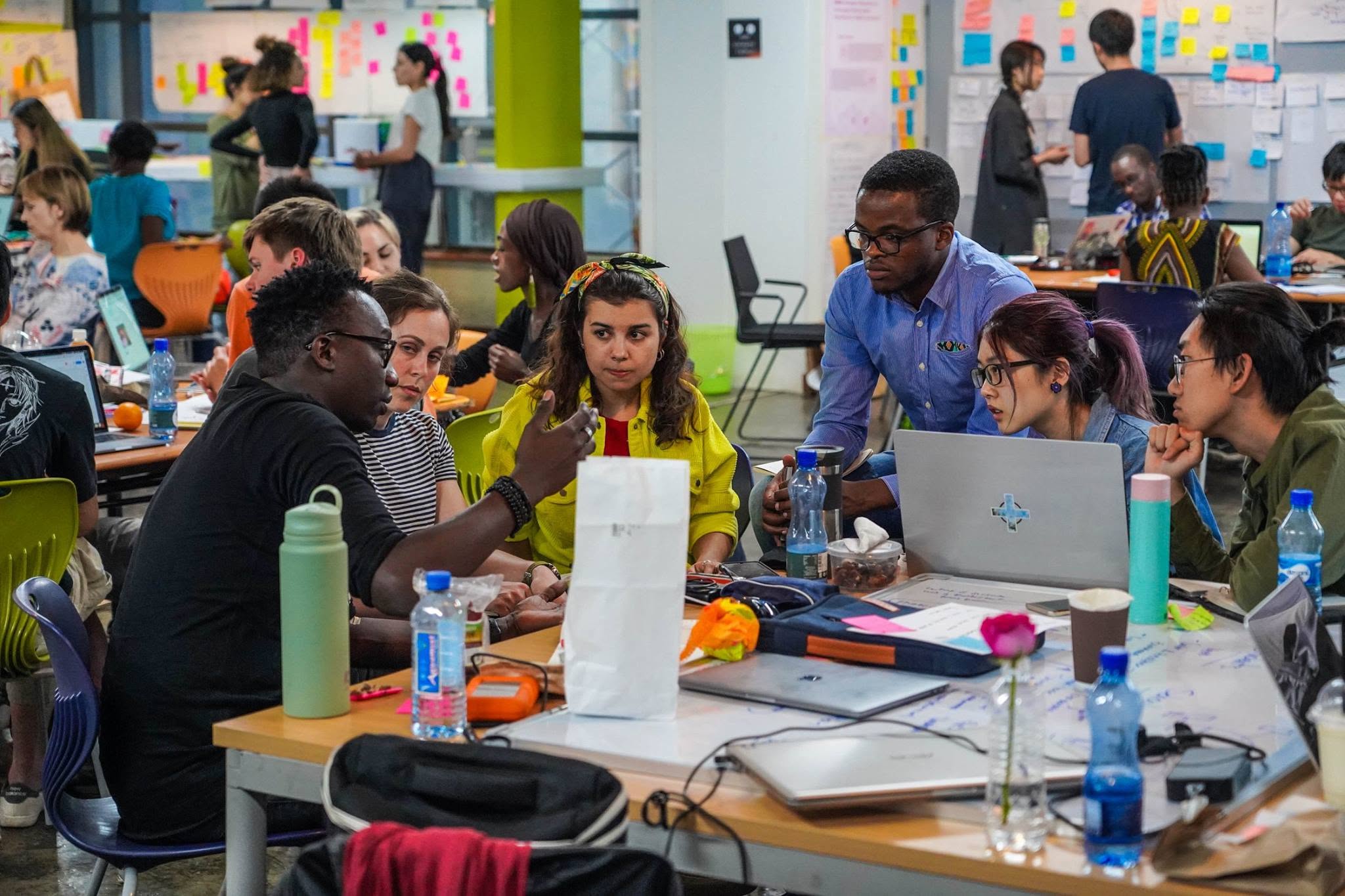
Two films.
One captured where the students began, the other what they went on to build.
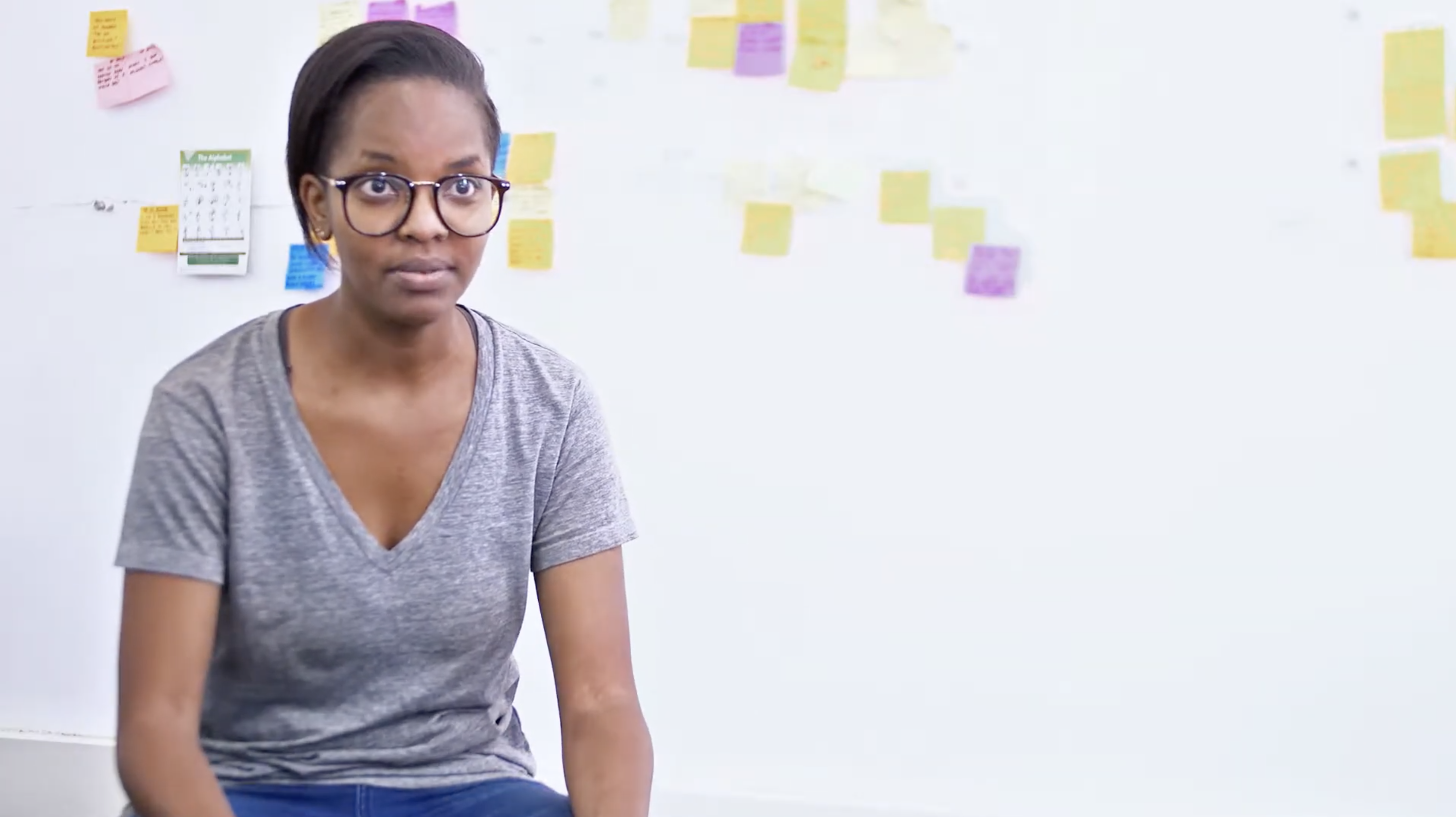
Where it began.
The first cohort of students learning to understand before designing.
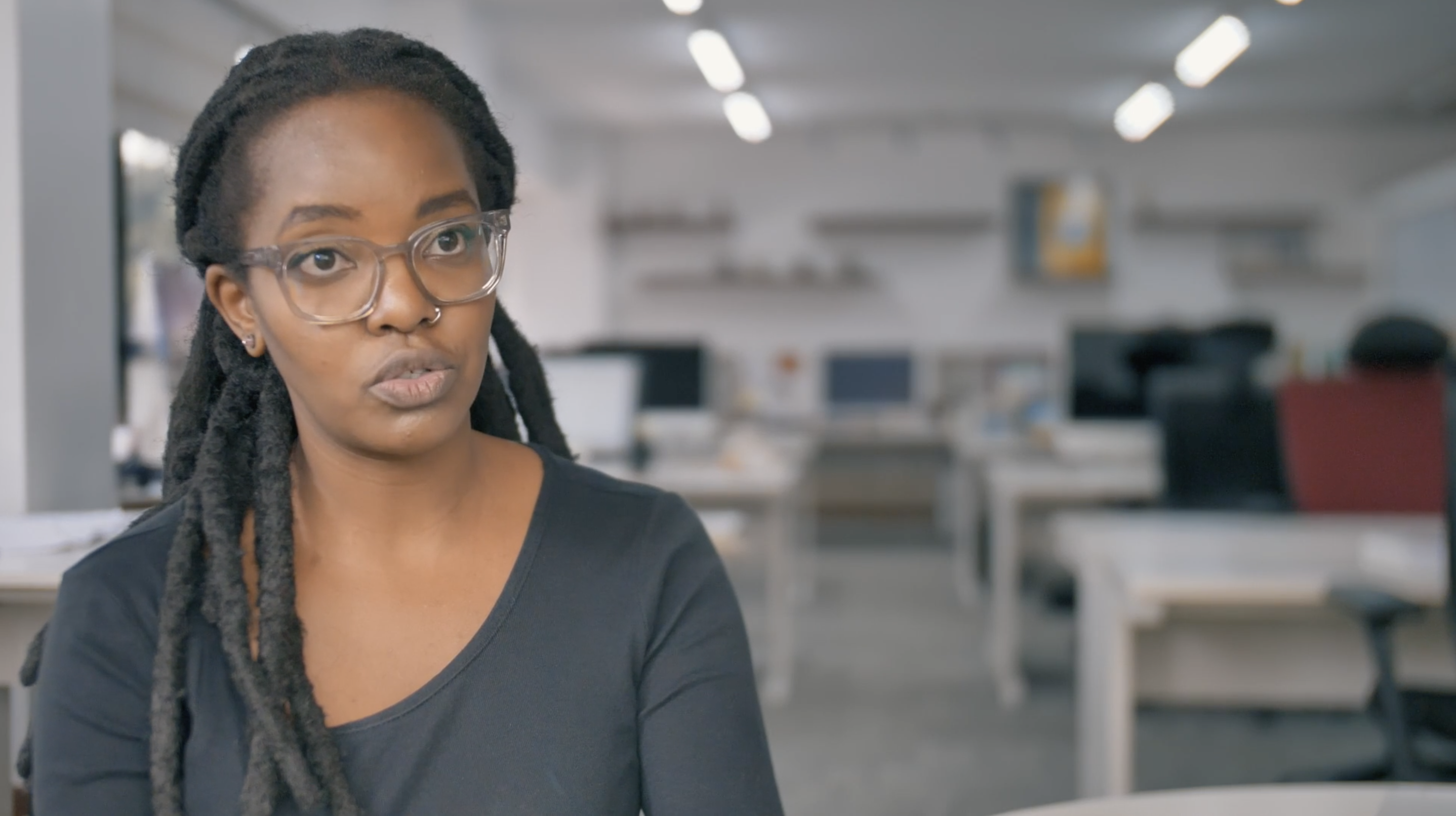
Where the students went.
What they built, who they became and what the programme made possible.
“Context isn’t something we add to innovation. It’s where innovation begins.”
{{ w.title }}
{{ w.note }}